





Ahead of the National Ploughing Championships, Hidden Hearing has ‘cultivated’ the decibel levels of various pieces of farm machinery and farm animals that can contribute to early hearing loss.
With over 300,000 people expected to attend the National Ploughing Championships this week and excitement building for the biggest agri-event of the year, hearing experts Hidden Hearing have produced research that highlights the high risk of noise induced hearing loss in members of the farming community.
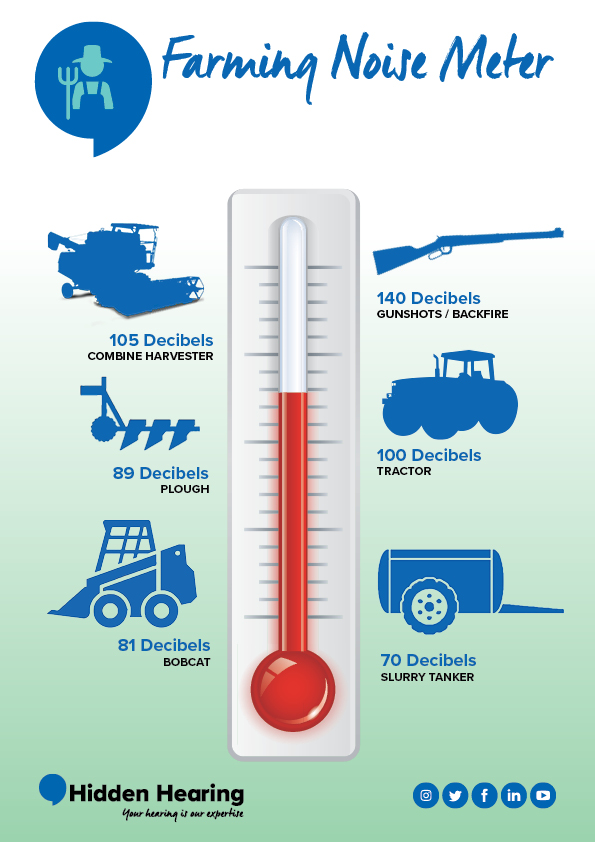
Any noise level over 80 decibels can cause noise-induced hearing loss when exposed for long periods, with farmers and those in manual labour industries at a higher risk of suffering from early hearing loss as a result. With this in mind, Hidden Hearing has produced a table that lists the decibel levels of some of the most common pieces of farm equipment.
Speaking on the research, Dolores Madden, Marketing Director at Hidden Hearing and a qualified audiologist explained, “We often underestimate the damage that comes from being around loud machines for a long time. Your hearing is precious, and not paying attention to the risks can lead to permanent damage.”
“Noise induced hearing loss is an issue for farmers at all ages. Previous research we’ve conducted indicated that 22% of farmers admit that they suffer from hearing issues. We created these tables to highlight how at risk farmers are when it comes to their everyday working lives. They work in loud environments nearly every day of the year and unfortunately, the machinery they use puts them at a much higher risk of early hearing loss”
“The good news is that up to 50% of acquired hearing loss is preventable, so farmers can reduce their risk of hearing loss by simply wearing hearing protection when working in loud environments and being mindful of exposure.”
“It can take up to 10 years for someone who is suffering from hearing loss to get their hearing checked, but if you are worried about your hearing you can visit us at the Ploughing Championships to get your hearing checked, as well as practical advice on the best ways to prevent acquired hearing loss.”
Ears to the ground: Farm Machinery's Toll on Hearing
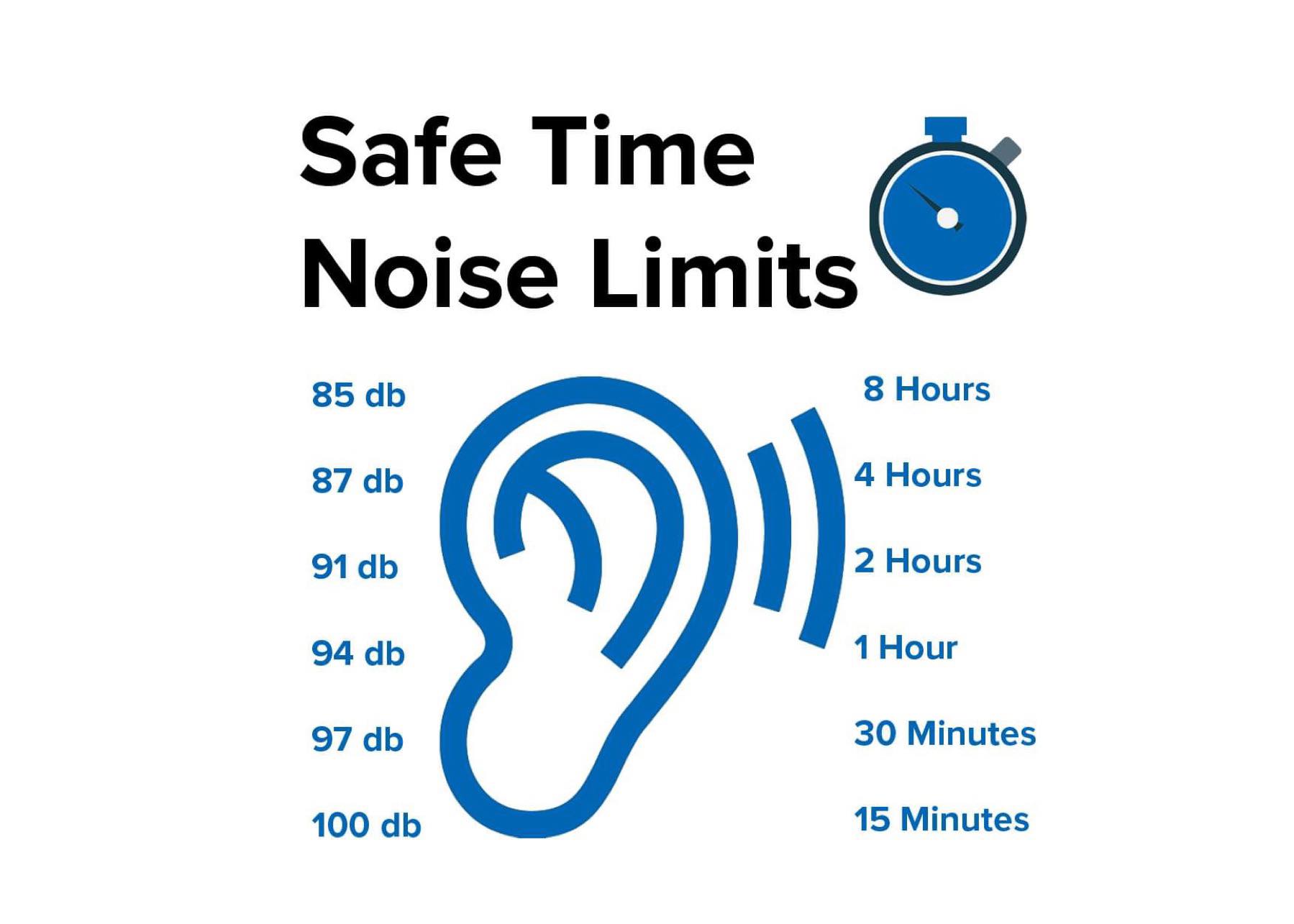
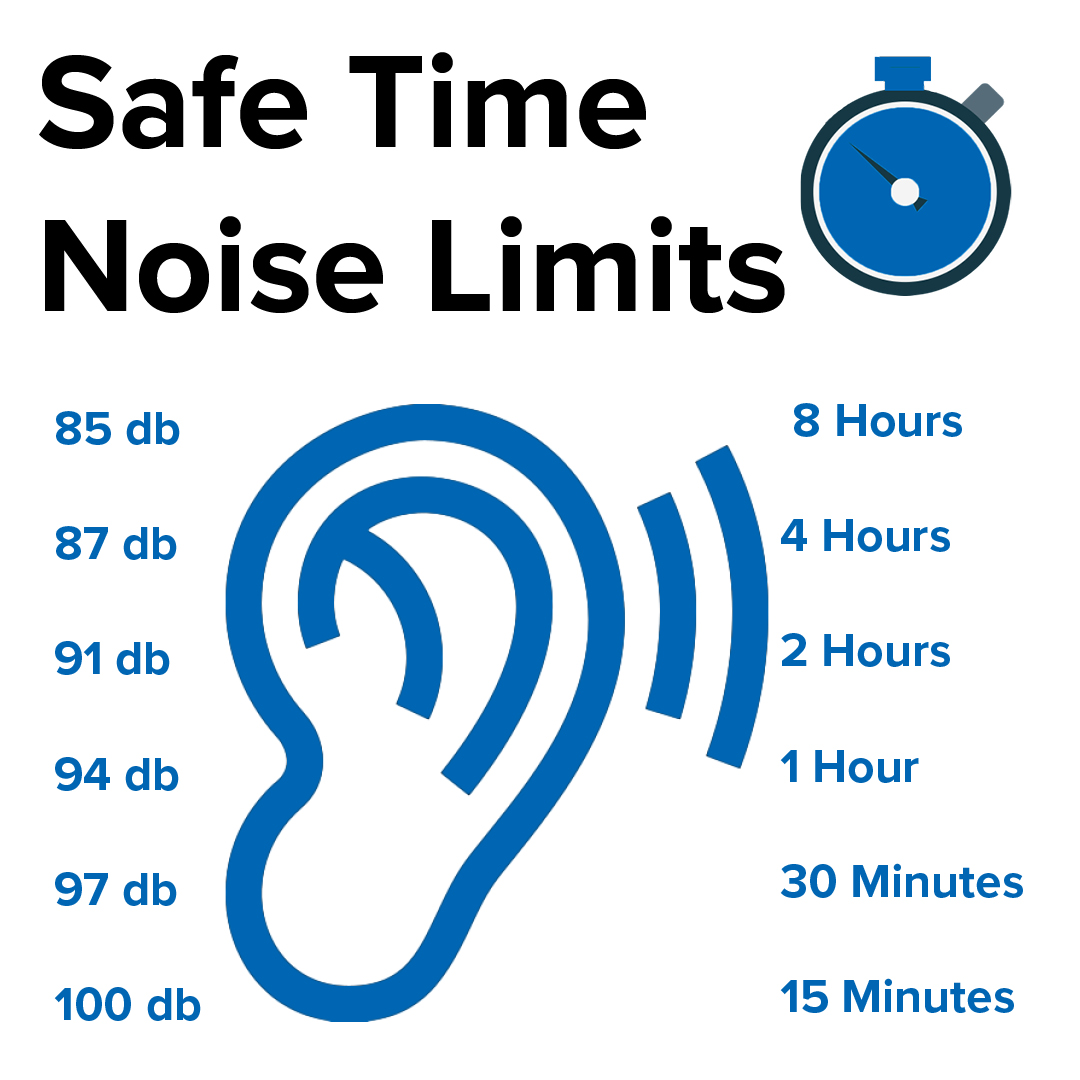
Hidden Hearing reviewed the decibel levels of 21 different types of farm machinery to create a table of the loudest machinery. 19 out of the 21 pieces of farm machinery included in the research, have noise levels above the 80db level that can cause hearing loss, with shotguns, combine harvesters, balers and tractors among the loudest equipment. Even just 15 minutes exposed to noise 100db and over, you will start to damage your hearing. Any exposure longer than 15 minutes at a decibel level over 100 can have a detrimental impact on your hearing and can cause lifelong damage.
Check out the full decibel chart for farming machinery below, you'll be shocked at how loud things really get on the farm.
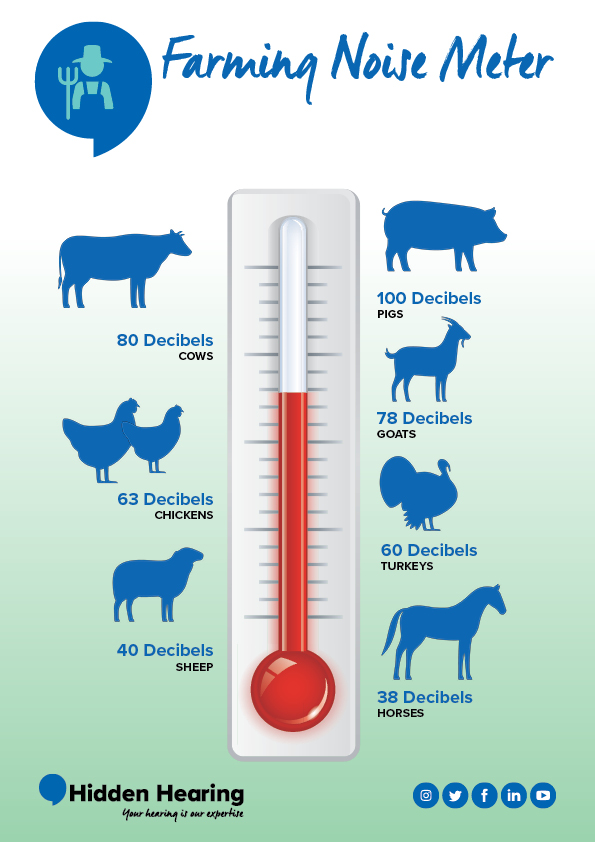
‘Hogging’ the limelight: Pigs top the chart for the loudest farm animal
It’s not just farm machinery that can put your hearing at risk however. Many common farm animals are louder than the 80decibel noise level that can cause acquired hearing loss. Pigs, roosters, bison, cows, geese and donkeys are among the loudest animals according to the research.
Tips from Hidden Hearing for Hearing Preservation
Use Ear Protection: When working near loud machinery or animals, consistently use proper ear protection, such as earmuffs or earplugs.
Limit Exposure: Whenever possible, reduce your time in the vicinity of noisy equipment, especially without protective gear. Short breaks can significantly reduce the risk.
Safe-Listening: Follow the “60:60 rule.” Listen at 60 percent of the maximum volume for no more than 60 minutes a day. If the device has a “smart volume” feature, use it. This feature helps regulate the volume. Keep the volume low, even in noisy situations.
Regular Hearing Check-ups: Schedule regular hearing check-ups with a certified audiologist to monitor your hearing health.
Raise Awareness: Educate yourself and others about the hazards of noise-induced hearing loss and the crucial role of hearing protection.
If you or someone you love is struggling with their hearing, why not book a complimentary consultation in one of over 80 clinics nationwide? When it comes to your hearing, we're all ears!
