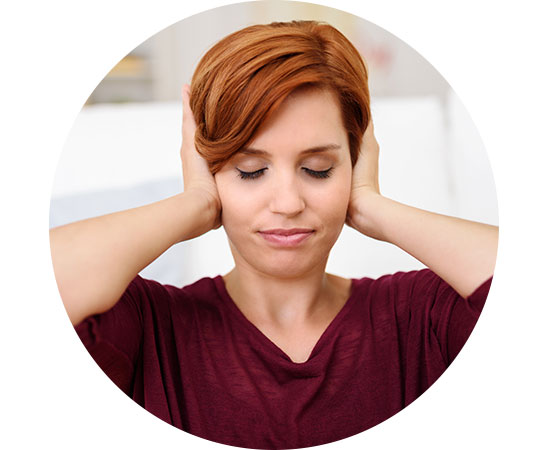





Senior person touching their ear, highlighting hearing health awareness.
A calendar icon displaying the number '31' in bold blue text, featuring a green header and a blue border, symbolizes a specific date or event scheduling context. No text is present.
Same day result
quick and pain free
Doctor icon with a stethoscope
No referral
needed from ENT
group of people icon with a blue and green color scheme
50,000+
satisfied customers

What are the common causes of hearing loss in adults?

Some of the most common causes of hearing loss include:

  • Ageing
  • Excessive noise exposure
  • Injury
  • Viral infections (such as measles or mumps)
  • Wax buildup
  • Ototoxic drugs (medications that damage hearing)
  • Genetics

Hearing loss can occur at any time during your lifespan. No matter the cause of your hearing loss, you can benefit from getting your hearing checked by a hearing care expert.
Hearing loss types

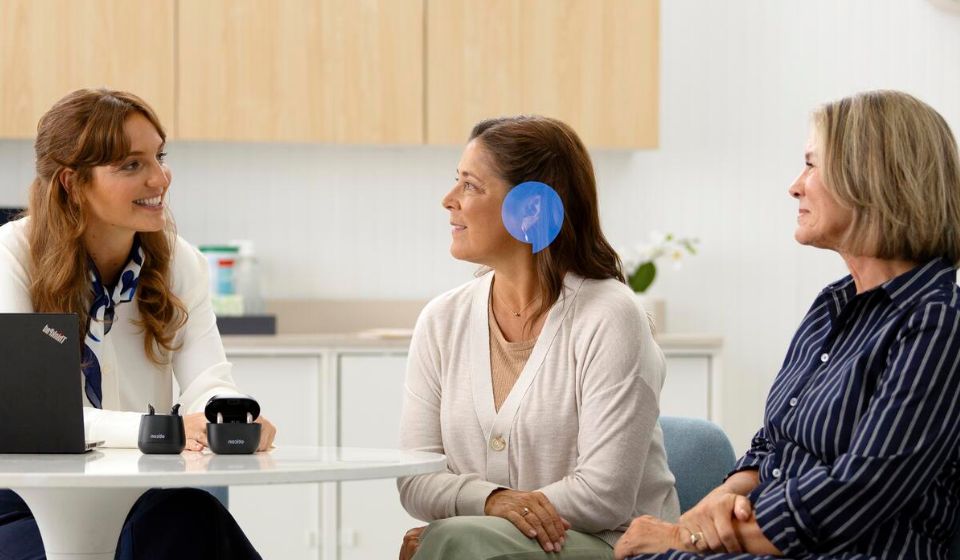
Woman consulting with a hearing care specialist during a hearing test, with hearing devices visible on the table.

Test yourself: Should I get a hearing test?

Answer the 4 questions below to see if you should consider getting a hearing test.

Question 1 – Around the table
Do you have trouble following conversations, when there are 4 or more people present?
Have you received advice from your family or friends to get your hearing tested?
Do you ever struggle to understand what others are saying because you cannot hear properly?
Do you find yourself turning up the TV or radio even when the volume is loud enough for others?

Your Result:

A hearing test is relevant for you

Your answers indicate that you experience symptoms of hearing loss. We strongly recommend booking a hearing test in one of our clinics.

The result is an indication. An in-person hearing test can determine if you have a hearing loss.


Book your free hearing test:

Your Result:

A hearing test seems relevant for you

Your answers indicate that you experience some symptoms of hearing loss. We recommend booking a hearing test in one of our clinics.

The result is an indication. An in-person hearing test can determine if you have a hearing loss.


Book your free hearing test:

Your Result:

It cannot be determined here if a hearing test is relevant for you

Your answers do not indicate that you experience symptoms of hearing loss. However, if you experience trouble hearing, we recommend booking a hearing test in one of our clinics.

The result is an indication. An in-person hearing test can determine if you have a hearing loss.


Book your free hearing test:

Step 1 of 3

Age-related hearing loss 

Age-related hearing loss (presbycusis) is the single largest cause of hearing loss. It is caused by changes in the inner ear that occur as you grow older. Additionally, genetics and exposure to loud noise can also play a big role. When your hearing starts to weaken, it becomes more difficult to:

  • Hear soft voices.
  • Hear high-frequency sounds (voices of children and women).
  • Follow conversations in the presence of background noise.

Because the loss is gradual, you may not realise that you’ve lost some of your ability to hear.

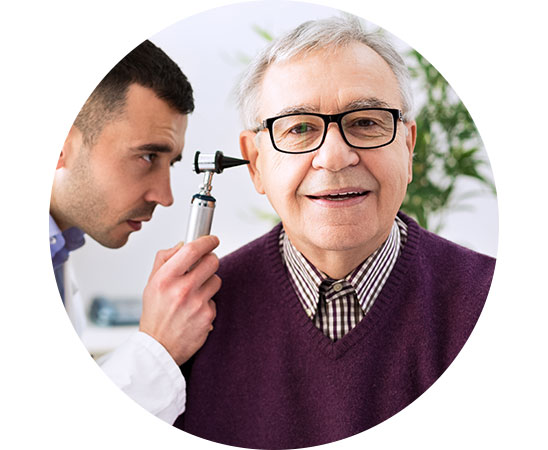
Audiologist performing ear examination on an older man experiencing age-related hearing loss

Noise-induced hearing loss

Repeated exposure to high levels of noise is another common cause of hearing loss. If you are exposed to loud noise for too long, the sensitive hair cells in the inner ear become damaged, and your ability to hear clearly can be compromised.

Some people have a higher risk of developing noise-induced hearing loss if they are exposed to loud noise in their work environment (e.g. army personnel or musicians). Listening to excessively loud music at live concerts (or through headphones) can be another cause of hearing damage.

Noise-induced hearing loss

Woman covering her ears with both hands, appearing to block out noise.

Congenital hearing loss

Congenital hearing loss occurs when a baby is born with hearing difficulties. The baby's hearing loss can be caused by either genetic defects, infections during pregnancy or low birth weight.

When compared to all causes of hearing loss, congenital hearing loss is quite rare; about 1% of babies are born with hearing loss.

Protect your ears in loud environments

Protect your ears in these situations by limiting exposure to loud sounds (when possible) or by wearing high-quality ear plugs or earmuffs.
People engaging in conversation outdoors in a natural setting.
1. Loud background noise
Any environment where you need to shout to make yourself heard over background noise.
Man operating a metal grinder with sparks flying, wearing hearing protection and safety gear.
2. Industrial noise 
An environment where the noise hurts your ears or makes them ring.
Crowd gathered at a lively concert with bright stage lights illuminating the scene.
3. Live music
Concerts or festivals where the sound levels are much higher than normal.
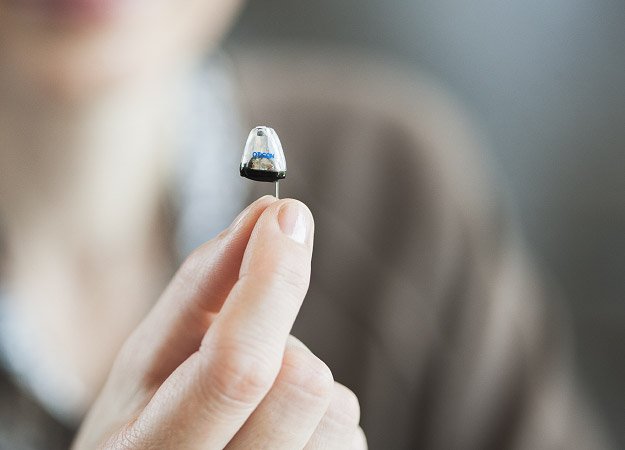
Hand holding a tiny, discreet hearing aid with a blurred background.

Did you know?

Today’s hearing aids are more technologically advanced and smaller than ever.

Some of them are practically invisible and yet offer excellent sound quality - even in difficult listening situations.

Others can also be connected to your smartphone (or other smart devices) in order to stream sound directly to your hearing aids.

Invisible hearing aids

staff member at a hearing clinic gesturing to assist a customer

Treatment options for hearing loss

Fortunately, there is help available regardless of the cause of your hearing loss. Understanding the source of your issues gives our experts insight into your needs.

While there is a wide range of possible causes and treatments for hearing loss, most cases of hearing loss are treated with hearing aids. Your hearing care expert will explain the best treatment plan for you after you have completed a hearing evaluation.

Find nearest clinic Hearing loss treatment

FAQ about causes of hearing loss

male audiologist wearing a suit with a name badge
Written by: Barry Douglas, audiologist
I became an audiologist to help change lives and to show people how hearing aids can greatly improve their quality of life. My work affords me the privilege of meeting, diagnosing, and treating patients of all ages with diverse audiological conditions. Not only that, but I also form life-long relationships with patients who avail of Hidden Hearing's free aftercare services, which is incredibly rewarding.
 

Last reviewed 2025-07-01