





Age Related Hearing Loss (Presbycusis)



What is age-related hearing loss?
Age-related hearing loss (or presbycusis) is a form of hearing loss that occurs gradually during the aging process. Usually, this type of hearing loss affects both ears. Depending on certain factors, age-related hearing loss can start in a person's thirties or forties and usually increases gradually over time.
It is one of the most common conditions affecting older and elderly adults.
.png?rev=2681038d69e349a69141f39305427ea2)
Book a free test for age-related hearing loss
What causes age-related hearing loss?
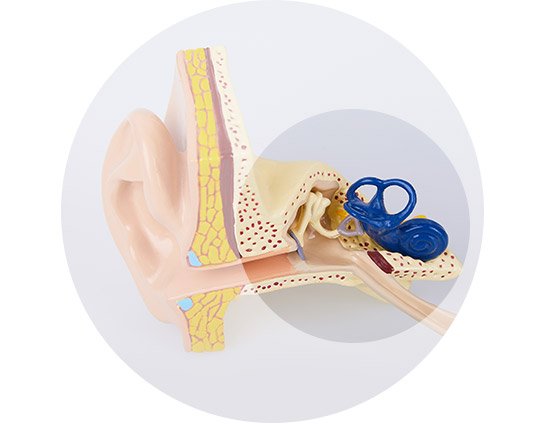
The main cause of age-related hearing loss is ageing. Most commonly, it arises due to changes in the inner ear as you grow older. The factors that can have an influence on age-related hearing loss are the following:
- Genes
- Certain medical conditions
- Side effects of certain drugs and medications
- Age
- Smoking
- Repeated exposure to loud noises
Did you know?
While men are more likely to develop a hearing loss in higher frequencies, women often have hearing loss in lower frequencies.
The frequency of your hearing loss refers to whether you are having trouble hearing high-pitched or low-pitched sounds.
6 common symptoms of age-related hearing loss (presbycusis)
The signs and symptoms of age-related hearing loss can vary from person to person, but some of the most common symptoms include the following:



How is age-related hearing loss treated?
The best treatment option for someone with age-related hearing loss (presbycusis) will depend on the person's overall health, age and the severity of the hearing loss.
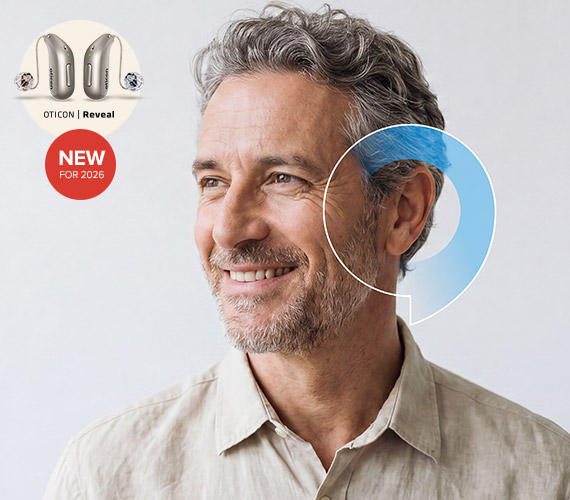
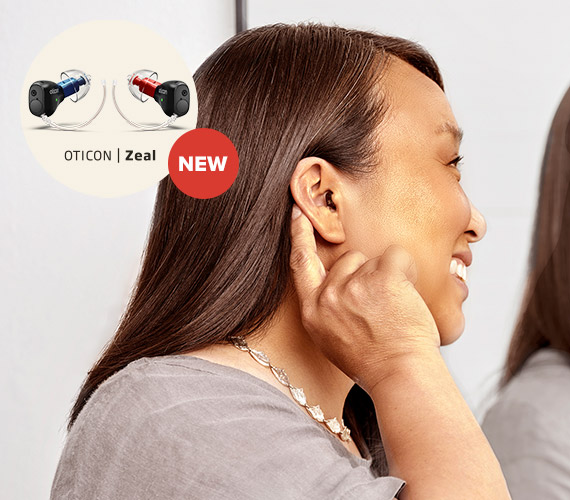
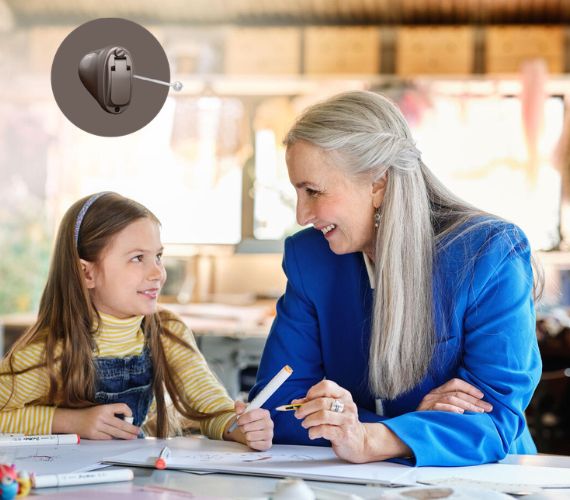
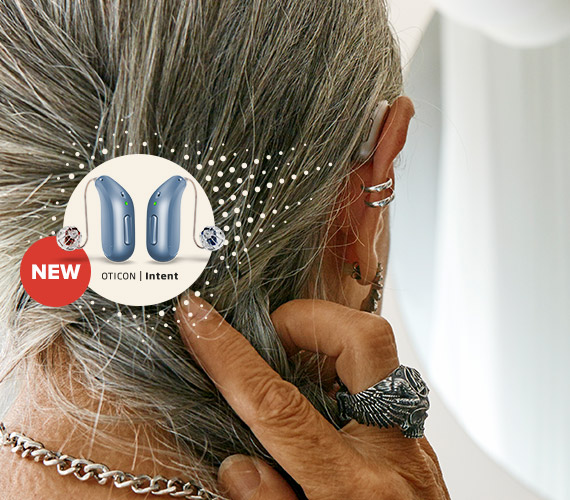
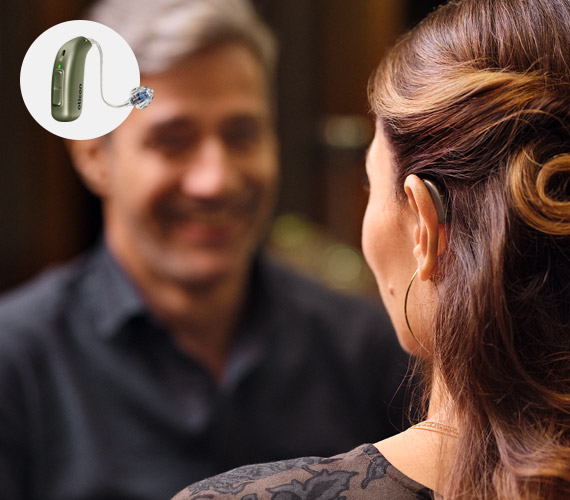
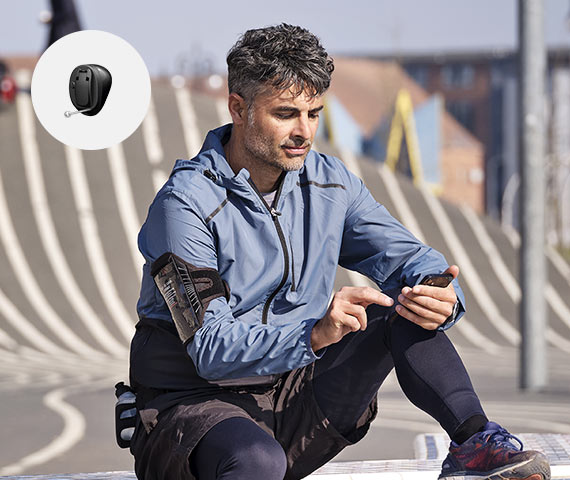
The most common treatment for age-related hearing loss is hearing aids, but the treatment may also include using assistive devices and/or learning lip reading techniques.
How can you protect your hearing as you age?
Since age-related hearing loss is irreversible, prevention is important. Below are some of the most effective ways to prevent it:
- Avoid (or reduce exposure to) excessively loud noises
- Avoid smoking
- Seek treatment for hearing health conditions (such as ear infections)
- Wear ear protection in loud environments (ear plugs, earmuffs)
.png?rev=67e9b630deff4f4e80cbb4a45ab02d1b)
FAQ about age-related hearing loss

Enda Dooley is a qualified audiologist who holds a Higher Education Diploma in Hearing Aid Audiology from Queen Margaret University UK.
He has worked as an audiologist with Hidden Hearing for the last 16 years and his work provides him with the privilege of meeting, diagnosing and treating patients of all ages with diverse audiological conditions.
Enda is passionate about hearing health and personally invested in preventing the negative impact of hearing loss. His goal is to improve the quality of life for sufferers, their families, and friends.
Last reviewed 2025-07-01