<?xml version="1.0" encoding="UTF-8"?><rss version="2.0"
	xmlns:content="http://purl.org/rss/1.0/modules/content/"
	xmlns:wfw="http://wellformedweb.org/CommentAPI/"
	xmlns:dc="http://purl.org/dc/elements/1.1/"
	xmlns:atom="http://www.w3.org/2005/Atom"
	xmlns:sy="http://purl.org/rss/1.0/modules/syndication/"
	xmlns:slash="http://purl.org/rss/1.0/modules/slash/"
	>

<channel>
	<title>The Hidden Hearing Blog &#187; tinnitus</title>
	<atom:link href="https://www.hiddenhearing.ie/blog/category/tinnitus/feed/" rel="self" type="application/rss+xml" />
	<link>https://www.hiddenhearing.ie/blog</link>
	<description></description>
	<lastBuildDate>Fri, 27 Oct 2017 10:57:52 +0000</lastBuildDate>
	<language>en-US</language>
	<sy:updatePeriod>hourly</sy:updatePeriod>
	<sy:updateFrequency>1</sy:updateFrequency>
	<generator>http://wordpress.org/?v=4.1.1</generator>
	<item>
		<title>How Can Technology Help Treat Hearing Loss?</title>
		<link>https://www.hiddenhearing.ie/blog/how-can-technology-help-treat-hearing-loss/</link>
		<comments>https://www.hiddenhearing.ie/blog/how-can-technology-help-treat-hearing-loss/#comments</comments>
		<pubDate>Thu, 21 Sep 2017 08:11:40 +0000</pubDate>
		<dc:creator><![CDATA[Hidden Hearing]]></dc:creator>
				<category><![CDATA[Hearing Loss]]></category>
		<category><![CDATA[technology]]></category>
		<category><![CDATA[tinnitus]]></category>
		<category><![CDATA[Hearing loss]]></category>
		<category><![CDATA[Technology]]></category>

		<guid isPermaLink="false">https://www.hiddenhearing.ie/blog/?p=30455</guid>
		<description><![CDATA[<p>Being diagnosed with hearing loss can be worrying for many people, especially if they feel that there is still a stigma attached to the use of hearing aids. However, advances in technology have made hearing loss a much more manageable </br><a class="read-more" href="https://www.hiddenhearing.ie/blog/how-can-technology-help-treat-hearing-loss/">More....</a></p>
<p>The post <a rel="nofollow" href="https://www.hiddenhearing.ie/blog/how-can-technology-help-treat-hearing-loss/">How Can Technology Help Treat Hearing Loss?</a> appeared first on <a rel="nofollow" href="https://www.hiddenhearing.ie/blog">The Hidden Hearing Blog</a>.</p>
]]></description>
				<content:encoded><![CDATA[<p>Being diagnosed with <a href="/hearing-loss/"><strong>hearing loss</strong></a> can be worrying for many people, especially if they feel that there is still a <a href="https://www.hiddenhearing.ie/blog/addressing-the-social-stigma-of-the-hearing-aid/"><strong>stigma</strong></a> attached to the use of hearing aids. However, advances in technology have made hearing loss a much more manageable condition, and the best place to start is a hearing test with an experienced audiologist.</p>
<p>Technology has without a doubt  changed the world in many ways. However, in terms of hearing loss, it has enabled many <a href="/hearing-aid-technology"><strong>major breakthroughs</strong></a> that have greatly improved life for people with the condition. Here at Hidden Hearing, we pride ourselves on keeping up to date with the benefits that technology can bring us, and we believe that sharing information and resources with our customers can be useful in many ways.</p>
<h2>Technologies That Are Helpful In Hearing Loss</h2>
<p>1. <strong>Educational apps</strong>. There are several apps that have been designed to diagnose and understand hearing loss, and exploring these may give you some useful information and ideas about how to approach your condition. Hearing games can be helpful, and ‘the dilemma game’ is a popular choice that can help people with hearing loss to cope on a daily basis.</p>
<p>2. <strong>Online hearing tests</strong>. When you are experiencing hearing loss, it is often difficult to commit to an appointment with an audiologist, especially if you feel embarrassed by the idea of wearing hearing aids. An online hearing test can be extremely useful in establishing whether or not you may have a hearing loss, and giving you the confidence to engage with a professional audiologist who can help. This is particularly important since hearing loss, if untreated, can lead to other serious conditions such as depression, isolation and dementia. When hearing loss is treated, the risk of these conditions reduces once again, so do not put off seeking help.</p>
<p>3. <strong>Hearing aids</strong>. Did you know that some <a href="/hearing-aids/types-of-hearing-aids"><strong>digital hearing aids</strong></a> use more sophisticated technology than a smart phone? The latest in high-tech devices can be used in conjunction with MP3 players or mobile phones and can also use bluetooth technology. Hearing aids have become a desirable form of wearable technology, and these are set to become more popular than the smartwatch in the future.</p>
<h2>Book A Free Hearing Test at Hidden Hearing</h2>
<p>If you have been experiencing hearing loss or <a href="/hearing-loss/what-is-tinnitus"><strong>tinnitus</strong></a>, it is a good idea to visit an audiologist as soon as possible to find out the extent of the problem. A <a href="/contact-us/request-a-free-hearing-test"><strong>hearing test</strong></a> can feel overwhelming, but our friendly team will work with you to establish the very best hearing solutions for your and your lifestyle.</p>
<p>Hidden Hearing is Ireland’s leading private provider of hearing care solutions, and our national network includes over <a href="/contact-us/find-your-local-clinic"><strong>seventy-five branches</strong></a> and clinics. Simply contact Hidden Hearing online today, or pop into your local branch.</p>
<p>The post <a rel="nofollow" href="https://www.hiddenhearing.ie/blog/how-can-technology-help-treat-hearing-loss/">How Can Technology Help Treat Hearing Loss?</a> appeared first on <a rel="nofollow" href="https://www.hiddenhearing.ie/blog">The Hidden Hearing Blog</a>.</p>
]]></content:encoded>
			<wfw:commentRss>https://www.hiddenhearing.ie/blog/how-can-technology-help-treat-hearing-loss/feed/</wfw:commentRss>
		<slash:comments>0</slash:comments>
		</item>
		<item>
		<title>Why Are My Ears Ringing?</title>
		<link>https://www.hiddenhearing.ie/blog/why-are-my-ears-ringing/</link>
		<comments>https://www.hiddenhearing.ie/blog/why-are-my-ears-ringing/#comments</comments>
		<pubDate>Wed, 23 Aug 2017 14:33:47 +0000</pubDate>
		<dc:creator><![CDATA[Hidden Hearing]]></dc:creator>
				<category><![CDATA[Hearing Aids]]></category>
		<category><![CDATA[tinnitus]]></category>
		<category><![CDATA[ringing ears]]></category>
		<category><![CDATA[Tinnitus]]></category>

		<guid isPermaLink="false">https://www.hiddenhearing.ie/blog/?p=30260</guid>
		<description><![CDATA[<p>&#160; Do you have tinnitus? Tinnitus is a noise in the ears that is unsettling and disruptive, and is usually described as a ringing, buzzing or hissing sound. It usually affects people with hearing loss, but hearing loss does not </br><a class="read-more" href="https://www.hiddenhearing.ie/blog/why-are-my-ears-ringing/">More....</a></p>
<p>The post <a rel="nofollow" href="https://www.hiddenhearing.ie/blog/why-are-my-ears-ringing/">Why Are My Ears Ringing?</a> appeared first on <a rel="nofollow" href="https://www.hiddenhearing.ie/blog">The Hidden Hearing Blog</a>.</p>
]]></description>
				<content:encoded><![CDATA[<p>&nbsp;</p>
<p>Do you have tinnitus? Tinnitus is a noise in the ears that is unsettling and disruptive, and is usually described as a ringing, buzzing or hissing sound. It usually affects people with hearing loss, but hearing loss does not cause it. It is a common complaint, and there is currently no cure, but there are some measures you can take to reduce the symptoms.</p>
<p>Here at Hidden Hearing, we see and treat people with different types of <a href="/hearing-loss/"><strong>hearing loss</strong></a> every day. <a href="/hearing-loss/what-is-tinnitus/tinnitus-symptoms"><strong>Tinnitus</strong></a> is a tricky problem, since each individual experiences it in a different way, but we are usually able to find a solution that offers some relief. As with all hearing loss, the sooner you seek help, the better your outcomes are likely to be. For this reason, we would advise you to talk to an audiologist as soon as possible.</p>
<p><img class=" size-medium wp-image-30263 alignleft" src="https://www.hiddenhearing.ie/components/com_wordpress/wp/wp-content/uploads/2017/08/AUDIKA-FB0717-06-300x157.jpg" alt="Hidden Hearing tinnitus" width="300" height="157" /></p>
<h2>How Is Tinnitus Treated?</h2>
<ol>
<li><strong>Specialised hearing aids</strong>. The use of hearing aids to treat tinnitus is common, and it can be very effective for some people. As technology has progressed, specialised hearing aids have been developed to include a customisable sound stimulus that is effective in relieving the sounds of tinnitus.</li>
<li><strong>Sound therapy.</strong> Sound therapy, including the use of white noise, can be useful in reducing the effects of tinnitus. This is an option you can discuss with your audiologist or doctor.</li>
<li><strong>Counselling.</strong> Tinnitus  counselling can help you to understand tinnitus and find ways to cope with it. Talk to your doctor about this, as it may be available from your audiologist or a hearing therapist.</li>
<li><strong>Tinnitus retraining therapy.</strong> TRT is a specific therapy that focuses on retraining your brain response to tinnitus. This can enable you to block the sounds more effectively, so that you become less aware of them. TRT is available via private clinics, and usually involves a combination of intensive sound therapy and long-term  counselling.</li>
<li><strong>CBT</strong>. CBT techniques, that work to change the way you respond to certain stimuli and alter your thought processes, can be effectively used to treat tinnitus by changing the way that you think about it and thus reducing the impact it has on your life.</li>
<li><strong>Self help techniques.</strong> Some useful techniques that you can use at home include relaxation, listening to music and regulating your sleep patterns. Joining a local or online support group may also offer support that helps you to cope better with the condition.</li>
</ol>
<h2>Book a Free Hearing Check-Up at Hidden Hearing</h2>
<p>Hidden Hearing is Ireland’s leading private provider of hearing care solutions, and our national network includes over <a href="/contact-us/find-your-local-clinic"><strong>seventy-five branches and clinics</strong></a>. We offer <a href="/contact-us/request-a-free-hearing-test"><strong>free hearing tests</strong></a> and our experienced audiologists will help you to find the best solution for your lifestyle.</p>
<p>We stock a <a href="/hearing-aids/types-of-hearing-aids"><strong>wide range of hearing aids</strong></a> that you can try, including <a href="https://www.hiddenhearing.ie/oticon-opn"><strong>new digital hearing aids</strong></a> that are tiny and discreet, as well offering a highly sensitive hearing experience. Contact Hidden Hearing online today, or pop into your local branch.</p>
<p>The post <a rel="nofollow" href="https://www.hiddenhearing.ie/blog/why-are-my-ears-ringing/">Why Are My Ears Ringing?</a> appeared first on <a rel="nofollow" href="https://www.hiddenhearing.ie/blog">The Hidden Hearing Blog</a>.</p>
]]></content:encoded>
			<wfw:commentRss>https://www.hiddenhearing.ie/blog/why-are-my-ears-ringing/feed/</wfw:commentRss>
		<slash:comments>0</slash:comments>
		</item>
		<item>
		<title>Tinnitus? Or maybe, it could be just a build up of earwax&#8230;.</title>
		<link>https://www.hiddenhearing.ie/blog/tinnitus-maybe-just-build-earwax/</link>
		<comments>https://www.hiddenhearing.ie/blog/tinnitus-maybe-just-build-earwax/#comments</comments>
		<pubDate>Tue, 20 Jun 2017 16:29:54 +0000</pubDate>
		<dc:creator><![CDATA[Hidden Hearing]]></dc:creator>
				<category><![CDATA[ear wax removal]]></category>
		<category><![CDATA[Health Matters]]></category>
		<category><![CDATA[healthy eating]]></category>
		<category><![CDATA[hearing aid technology]]></category>
		<category><![CDATA[Hearing Loss]]></category>
		<category><![CDATA[hearing tests]]></category>
		<category><![CDATA[tinnitus]]></category>
		<category><![CDATA[digital hearing aids]]></category>
		<category><![CDATA[Free Hearing Test]]></category>
		<category><![CDATA[hearing aids]]></category>
		<category><![CDATA[noise induced hearing loss]]></category>
		<category><![CDATA[Tinnitus]]></category>

		<guid isPermaLink="false">https://www.hiddenhearing.ie/blog/?p=30004</guid>
		<description><![CDATA[<p>Many people in Ireland suffer from tinnitus and usually describe it as a ringing, buzzing or whistling noise. It is surprisingly common, with around 18% of the population find that they can suffer from it at some stage in their </br><a class="read-more" href="https://www.hiddenhearing.ie/blog/tinnitus-maybe-just-build-earwax/">More....</a></p>
<p>The post <a rel="nofollow" href="https://www.hiddenhearing.ie/blog/tinnitus-maybe-just-build-earwax/">Tinnitus? Or maybe, it could be just a build up of earwax&#8230;.</a> appeared first on <a rel="nofollow" href="https://www.hiddenhearing.ie/blog">The Hidden Hearing Blog</a>.</p>
]]></description>
				<content:encoded><![CDATA[<p><img class=" size-medium wp-image-29146 alignleft" src="https://www.hiddenhearing.ie/components/com_wordpress/wp/wp-content/uploads/2016/12/tinnnitus-300x199.jpg" alt="Tinnitus Hidden Hearing" width="300" height="199" />Many people in Ireland suffer from tinnitus and usually describe it as a ringing, buzzing or whistling noise. It is surprisingly common, with around 18% of the population find that they can suffer from it at some stage in their lives. Having a quick <a href="https://www.hiddenhearing.ie/contact-us/request-a-free-hearing-test" target="_blank">hearing test</a> in one of our 75 branches or clinics nationwide will help you determine if you have tinnitus. We can also check if you have a build up of earwax if you <a href="https://www.hiddenhearing.ie/contact-us/request-a-free-hearing-test" target="_blank">book a free hearing test</a>. If you have a compacted ear full of earwax, it can lead you to suffer from ringing or buzzing noises similar to those symptoms of tinnitus. <a href="https://www.hiddenhearing.ie/contact-us/request-free-ear-wax-removal" target="_blank">We offer free earwax removal for over 55s in selected clinics and branches nationwide.</a></p>
<h2><strong>Noise Induced Hearing Loss &amp; Tinnitus</strong></h2>
<p><img class=" size-medium wp-image-29133 alignleft" src="https://www.hiddenhearing.ie/components/com_wordpress/wp/wp-content/uploads/2016/12/29.-Audiology-Headphones-1024x6821-300x200-300x200.jpg" alt="29.-Audiology-Headphones-1024x6821-300x200" width="300" height="200" />A recent survey just done by Empathy Research on behalf of Hidden Hearing found that – Four in ten (42) have experienced ringing and buzzing in their ears and risk causing permanent damage to their ears. Tinnitus (ringing in ears) usually begins at 127 dB and can be an early indicator of hearing loss– Four in ten (42) have experienced ringing and buzzing in their ears and risk causing permanent damage to their ears. Tinnitus (ringing in ears) usually begins at 127 dB and can be an early indicator of hearing loss. Surprisingly Almost one in ten people aged 25-34 years would <strong>not </strong>be worried if they had permanent ringing or buzzing in their ears: demonstrating a clear lack of awareness of the damage and risks associated with sustained exposure to loud noise.</p>
<p>There is nothing wrong with listening to music but keep the volume level at a safe decibel. When attending concerts and music gigs, just position yourself well away from loudspeakers &amp; this will reduce the chances of damage to your eardrums. Limiting your use of iPods, MP3s and other personal music devices, as well as lowering the volume, will also help reduce the impact of loud prolonged music that could lead to the development of Tinnitus.</p>
<p>Tinnitus can vary in severity and even though most people have a relatively mild form, it can have a big impact on their quality of life. Tinnitus is a physical condition. In other words, it is not something you imagine. There are a number of possible causes, but it is quite often associated with hearing loss.</p>
<h2>It could just be a build up of Earwax?</h2>
<p><img class=" size-medium wp-image-29456 alignleft" src="https://www.hiddenhearing.ie/components/com_wordpress/wp/wp-content/uploads/2017/03/ear-and-hand-300x199.jpg" alt="ear and hand" width="300" height="199" />As mentioned before, if you have a build up of too much earwax you can experience Tinnitus like symptoms. Here at Hidden Hearing we use the latest ear irrigation method, a controlled liquid flushing process which is less invasive than other methods and is virtually pain free. Ear irrigation may be needed if ear drops do not work. The ear canal is washed out with warm water. Irrigating the ear with water will usually clear plugs of earwax and it is only safe if the plug of earwax has been softened. Use ear drops (such as olive oil ear drops) to soften wax 2-3 times a day for 3-5 days before you have ear irrigation with your Hidden Hearing Earwax Removal Specialist.</p>
<p>If you suffer from Tinnitus or think that you are suffering from it, you could benefit from having a free* earwax removal from Hidden Hearing.</p>
<p>To book your free* earwax removal appointment call 1800 882 884 or <a href="https://www.hiddenhearing.ie/contact-us/request-free-ear-wax-removal" target="_blank">click here </a>&amp; we will contact you back shortly.</p>
<p><strong><em> (*free to people over 55, €50 charge to people under 55)</em></strong></p>
<p><em>Watch our Medical Advisor, Dr. Nina Byrnes talk about earwax below&#8230;</em></p>
<p><iframe width="500" height="281" src="https://www.youtube.com/embed/4LgYMM2dciQ?feature=oembed" frameborder="0" allowfullscreen></iframe></p>
<p>The post <a rel="nofollow" href="https://www.hiddenhearing.ie/blog/tinnitus-maybe-just-build-earwax/">Tinnitus? Or maybe, it could be just a build up of earwax&#8230;.</a> appeared first on <a rel="nofollow" href="https://www.hiddenhearing.ie/blog">The Hidden Hearing Blog</a>.</p>
]]></content:encoded>
			<wfw:commentRss>https://www.hiddenhearing.ie/blog/tinnitus-maybe-just-build-earwax/feed/</wfw:commentRss>
		<slash:comments>0</slash:comments>
		</item>
		<item>
		<title>Better Hearing on The Farm</title>
		<link>https://www.hiddenhearing.ie/blog/better-hearing-on-the-farm/</link>
		<comments>https://www.hiddenhearing.ie/blog/better-hearing-on-the-farm/#comments</comments>
		<pubDate>Fri, 05 May 2017 18:33:13 +0000</pubDate>
		<dc:creator><![CDATA[Hidden Hearing]]></dc:creator>
				<category><![CDATA[Hearing Aids]]></category>
		<category><![CDATA[Hearing Loss]]></category>
		<category><![CDATA[Hearing News]]></category>
		<category><![CDATA[hearing tests]]></category>
		<category><![CDATA[tinnitus]]></category>
		<category><![CDATA[Free Hearing Test]]></category>
		<category><![CDATA[hearing aid]]></category>
		<category><![CDATA[hearing aids]]></category>
		<category><![CDATA[Hearing loss]]></category>
		<category><![CDATA[hearing test]]></category>
		<category><![CDATA[hidden hearing]]></category>
		<category><![CDATA[noise induced hearing loss]]></category>
		<category><![CDATA[noise levels]]></category>
		<category><![CDATA[Tinnitus]]></category>

		<guid isPermaLink="false">https://www.hiddenhearing.ie/blog/?p=29762</guid>
		<description><![CDATA[<p>Hearing loss is a common problem in Ireland as 1 in 6 people suffer from some degree of hearing loss. Hearing loss can be caused by over exposure to loud noise, it can be hereditary or it can be as </br><a class="read-more" href="https://www.hiddenhearing.ie/blog/better-hearing-on-the-farm/">More....</a></p>
<p>The post <a rel="nofollow" href="https://www.hiddenhearing.ie/blog/better-hearing-on-the-farm/">Better Hearing on The Farm</a> appeared first on <a rel="nofollow" href="https://www.hiddenhearing.ie/blog">The Hidden Hearing Blog</a>.</p>
]]></description>
				<content:encoded><![CDATA[<p><a href="https://www.hiddenhearing.ie/components/com_wordpress/wp/wp-content/uploads/2017/05/Farming_withLogoRev3.jpg"><img class="aligncenter size-large wp-image-29763" src="https://www.hiddenhearing.ie/components/com_wordpress/wp/wp-content/uploads/2017/05/Farming_withLogoRev3-1024x536.jpg" alt="Farming_withLogoRev3" width="625" height="327" /></a>Hearing loss is a common problem in Ireland as 1 in 6 people suffer from some degree of hearing loss. Hearing loss can be caused by over exposure to loud noise, it can be hereditary or it can be as a result of an accident. Hearing loss sustained from over exposure to noise, can have disabling personal and social consequences for the affected person and their family.  Research has shown that around two-thirds of farmers have a measurable hearing loss, or have on average, hearing levels 10 to 15 years worse than that of the rest of the population. Source &#8211; <a href="http://www.farmsafe.org.au/Farm-Noise-Hearing-Injury" target="_blank">FarmSafe.org</a></p>
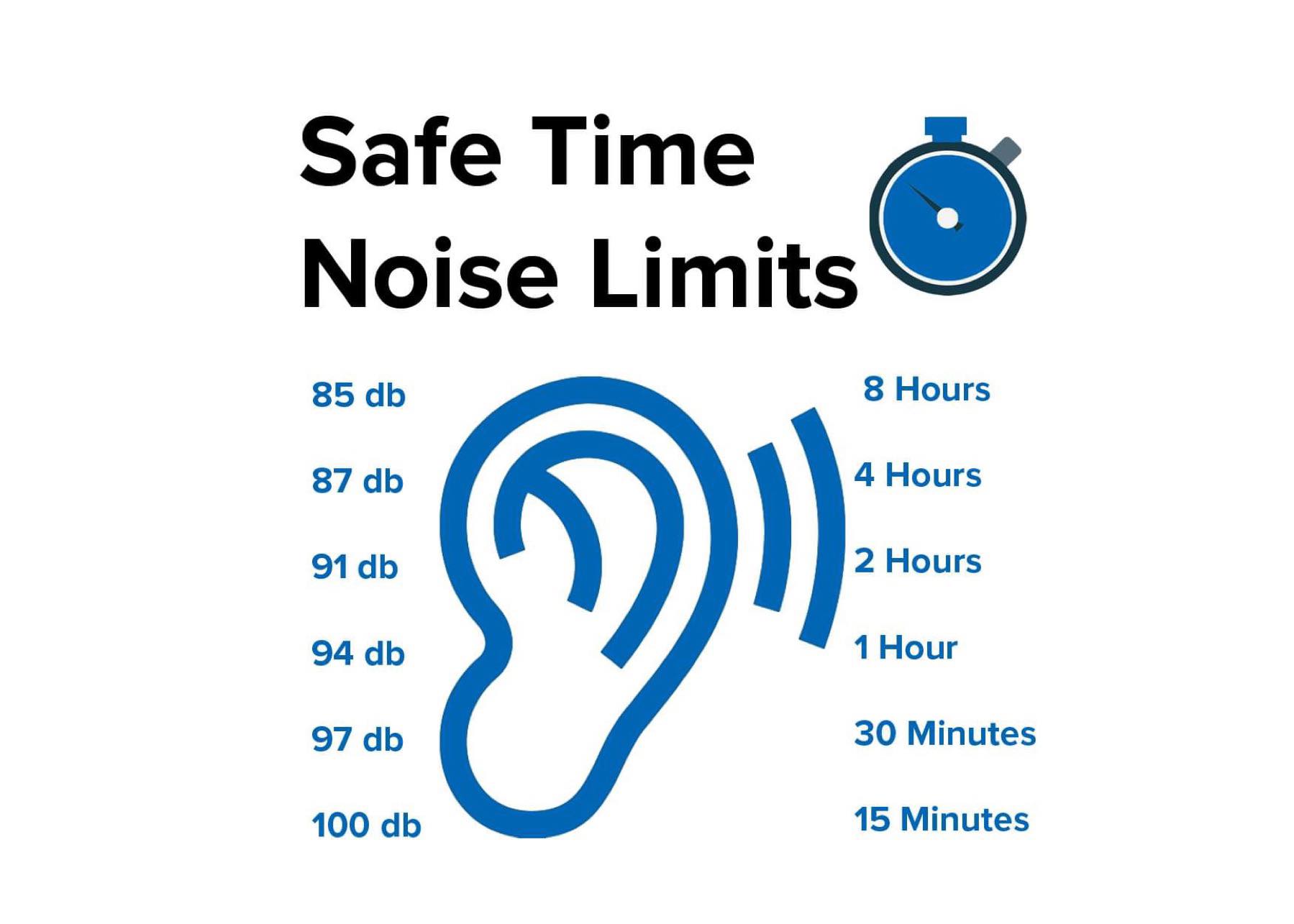
<p>Hearing loss in farmers can be caused by long term  exposure to on-farm noise hazards such as tractors, chainsaws, milking parlors etc.  Many machinery and tools used on the farm would expose you to sounds over 85 decibels (dB) or even sound levels of over 100 decibels (dB), the equivalent of a jet airplane taking-off or a rock concert.</p>
<p>Exposure to excessive noise levels without protection, represent an unacceptable risk to the hearing health of farming families. We recommend that all farmers when working on the farm wear ear protectors. Even if you have not been using ear defenders and you have been farming for years, its time to make a change in your routine. Protect your hearing today.</p>
<p>If you think that over exposure to farming equipment has damaged your hearing, contact Hidden Hearing today and book in for your free one-to-one hearing consultation.</p>
<p>You might also find that due to over exposure to loud machinery, that you might have a slight ringing in you ears which might mean you have tinnitus. We can offer free advise and support if you suffer from tinnitus.</p>
<p>Or maybe its just earwax? We also offer a <a href="https://www.hiddenhearing.ie/contact-us/request-free-ear-wax-removal" target="_blank">free earwax removal service</a> for over 55s in Ireland. Contact us today on 1800 882 884 or <a href="https://www.hiddenhearing.ie/contact-us/request-a-free-hearing-test" target="_blank">fill out a short form here</a> and we will call you back shortly.</p>
<p>The post <a rel="nofollow" href="https://www.hiddenhearing.ie/blog/better-hearing-on-the-farm/">Better Hearing on The Farm</a> appeared first on <a rel="nofollow" href="https://www.hiddenhearing.ie/blog">The Hidden Hearing Blog</a>.</p>
]]></content:encoded>
			<wfw:commentRss>https://www.hiddenhearing.ie/blog/better-hearing-on-the-farm/feed/</wfw:commentRss>
		<slash:comments>0</slash:comments>
		</item>
		<item>
		<title>Preparing for your first visit to Hidden Hearing</title>
		<link>https://www.hiddenhearing.ie/blog/preparing-for-your-first-visit-to-hidden-hearing/</link>
		<comments>https://www.hiddenhearing.ie/blog/preparing-for-your-first-visit-to-hidden-hearing/#comments</comments>
		<pubDate>Wed, 19 Apr 2017 08:02:52 +0000</pubDate>
		<dc:creator><![CDATA[Hidden Hearing]]></dc:creator>
				<category><![CDATA[ear wax removal]]></category>
		<category><![CDATA[Health Matters]]></category>
		<category><![CDATA[healthy eating]]></category>
		<category><![CDATA[Hearing Loss]]></category>
		<category><![CDATA[Hearing News]]></category>
		<category><![CDATA[hearing tests]]></category>
		<category><![CDATA[technology]]></category>
		<category><![CDATA[tinnitus]]></category>
		<category><![CDATA[digital hearing aids]]></category>
		<category><![CDATA[Free Hearing Test]]></category>
		<category><![CDATA[hearing aid]]></category>
		<category><![CDATA[hearing aids]]></category>
		<category><![CDATA[Hearing loss]]></category>
		<category><![CDATA[hearing test]]></category>
		<category><![CDATA[hidden hearing heroes award]]></category>
		<category><![CDATA[Tinnitus]]></category>
		<category><![CDATA[Tinnitus treatments]]></category>

		<guid isPermaLink="false">https://www.hiddenhearing.ie/blog/?p=29640</guid>
		<description><![CDATA[<p>If you’ve never been to an audiologist before, it helps to know what to expect. And whether you know you have hearing loss or are just going for a hearing check-up, it is good to prepare a little. To help </br><a class="read-more" href="https://www.hiddenhearing.ie/blog/preparing-for-your-first-visit-to-hidden-hearing/">More....</a></p>
<p>The post <a rel="nofollow" href="https://www.hiddenhearing.ie/blog/preparing-for-your-first-visit-to-hidden-hearing/">Preparing for your first visit to Hidden Hearing</a> appeared first on <a rel="nofollow" href="https://www.hiddenhearing.ie/blog">The Hidden Hearing Blog</a>.</p>
]]></description>
				<content:encoded><![CDATA[<div id="attachment_28115" style="width: 391px" class="wp-caption alignleft"><a href="https://www.hiddenhearing.ie/components/com_wordpress/wp/wp-content/uploads/2015/11/Hidden-Hearing-Wexford-10.jpg"><img class="wp-image-28115" src="https://www.hiddenhearing.ie/components/com_wordpress/wp/wp-content/uploads/2015/11/Hidden-Hearing-Wexford-10.jpg" alt="Enda Dooley Hidden Hearing Wexford and Shona Maguire" width="381" height="255" /></a><p class="wp-caption-text">Pictured above: Audiologist Enda Dooley &amp; patient Shona Maguire</p></div>
<p>If you’ve never been to an audiologist before, it helps to know what to expect. And whether you know you have hearing loss or are just going for a hearing check-up, it is good to prepare a little.</p>
<p>To help you the best they can, the hearing care expert needs to know all about your unique hearing. So please think about the following:</p>
<ul>
<li>Think about what situations you find especially difficult</li>
<li>Try our questionnaire to guide you in the right direction – it’s in our guide</li>
<li>Bring someone with you to help contribute information that only a third person can</li>
</ul>
<p>Once you arrive for your visit, your hearing care expert will discuss your hearing history to understand what factors have influenced your hearing. They’ll want to get more information about your personal hearing needs.</p>
<p>The hearing care expert will also inspect your ears for blockages or any other visible problems.</p>
<p>Your visit may also include a listening experience with hearing devices, to see what kinds of sounds you can hear. Your hearing care expert will explain the results to you clearly. It will then be time to develop a plan for the next steps. If you have a hearing loss, they may recommend hearing aids.</p>
<p>If you are fitted with new hearing aids, don’t be afraid to go back for additional follow-up visits. You might walk out after the first visit completely pleased with your purchase. For other people, getting used to wearing new hearing aids can be tough. Especially if this is your first pair of hearing aids, it can take several weeks or even months to get used to them.</p>
<p>&nbsp;</p>
<h2><strong>About hearing loss<img class=" size-full wp-image-28801 alignleft" src="https://www.hiddenhearing.ie/components/com_wordpress/wp/wp-content/uploads/2016/07/Fotolia_68841225_XS.jpg" alt="woman suffers from hearing impairment, hard of hearing, hearing loss, acoustic or ear problem, deafness with text space" width="424" height="283" /></strong></h2>
<p>There are different types of hearing loss, and different levels of severity. Without going into the details too much here, it is caused either because sound cannot get to the inner ear (<a href="/hearing-loss/types-symptoms-causes/conductive-hearing-loss"><strong>conductive hearing loss</strong></a>), or because sound is not properly sent from the inner ear to the brain (<a href="/hearing-loss/types-symptoms-causes/sensorineural-hearing-loss"><strong>sensorineural hearing loss</strong></a>).</p>
<p>Hearing loss can be mild, moderate, severe or profound. What we call deafness is sometimes in fact ‘profound hearing loss’ – when the person suffering from it can hear very loud noises.</p>
<h2><strong>Tinnitus (ringing or whooshing sounds in the ears) is related to hearing loss, and often accompanies it.</strong></h2>
<p>Because it takes so much more effort to listen, hearing loss can be very socially isolating. It can lead to <a title="Is Hearing Loss Linked To Depression" href="https://www.hiddenhearing.ie/blog/is-hearing-loss-linked-to-depression/"><strong>depression</strong></a> and can hasten the <a title="Dementia and Hearing Loss: The Link" href="https://www.hiddenhearing.ie/blog/dementia-and-hearing-loss-the-link/"><strong>onset of dementia</strong></a>. With more severe hearing loss, the risk of dementia is considerably higher. Not only does it disconnect sufferers from other people, it also cuts them off from current affairs and broader cultural participation via TV, radio, theatre and so on.</p>
<p>So how can people with hearing loss reconnect?</p>
<h2><strong>Hearing aids from Hidden Hearing<br />
</strong></h2>
<div id="attachment_29121" style="width: 296px" class="wp-caption alignleft"><a href="https://www.hiddenhearing.ie/components/com_wordpress/wp/wp-content/uploads/2016/11/hidden-hearing-mayo-pic.png"><img class="  wp-image-29121" src="https://www.hiddenhearing.ie/components/com_wordpress/wp/wp-content/uploads/2016/11/hidden-hearing-mayo-pic.png" alt="Hidden Hearing Mayo" width="286" height="208" /></a><p class="wp-caption-text">Pictured above: Ashley Cunningham, Audiologist with Hidden Hearing Mayo demonstrating how small a hearing aid can be.</p></div>
<p>The level of hearing loss a person has affects the type of hearing aid they need. Typically, more mild types of hearing loss can be treated with smaller devices. However, the choice of hearing aid also depends on the size and shape of people’s ears – especially where ‘invisible’ hearing aids are concerned.</p>
<p>Hearing loss can affect only one ear. However, it often occurs in both. Some people choose to treat it only in one ear to save on buying one hearing aid. We don’t recommend this, because with only one working ear we lose many of our capabilities, such as the ability to determine where a sound is coming from.</p>
<p>Whether people need one or two hearing aids, each person’s hearing is unique – because hearing is, in fact, thinking.</p>
<h2><strong>We hear with our brains</strong></h2>
<p><a href="https://www.hiddenhearing.ie/components/com_wordpress/wp/wp-content/uploads/2017/03/signs-of-hearing-loss.png"><img class="  wp-image-29537 alignleft" src="https://www.hiddenhearing.ie/components/com_wordpress/wp/wp-content/uploads/2017/03/signs-of-hearing-loss.png" alt="signs-of-hearing-loss" width="263" height="223" /></a>Our ears are the organs we use to gather the sounds around us, but we actually hear with our brains. So if your ears are not properly picking up sounds and delivering them to your brain, your brain can have a hard time. Because the brain has to work harder to make sense of what’s going on – especially during conversations – hearing loss makes people more tired. The extra effort it takes to listen makes it measurably harder to remember things too.</p>
<h1 style="text-align: center;">Put simply: hearing is thinking.</h1>
<p>Just as we all think in different ways, people hear in very different ways too. Your hearing is unique! So hearing aids must be tailored (fitted) to your ears.</p>
<p>Most hearing aids have different settings for different environments. If you are fitted with hearing aids, you will need to switch between programmes when you are in a noisy restaurant, listening to music, or having a conversation on a telephone. These programmes all need to be set by your hearing care expert.</p>
<p>If you are fitted with new <a href="/hearing-aids"><strong>hearing aids</strong></a>, don’t be afraid to go back for additional follow-up visits. You might walk out after the first visit completely pleased with your purchase. For other people, getting used to wearing new hearing aids can be tough. Especially if this is your first pair of hearing aids, it can take several weeks or even months to get used to them.</p>
<p><a href="https://www.hiddenhearing.ie/contact-us/request-a-free-hearing-test" target="_blank">To book your free hearing test in the Republic of Ireland click here</a> or freephone 1800 882 884.</p>
<p><a href="http://www.hiddenhearing.org/contact-us/find-your-local-clinic" target="_blank">To book your free hearing test in Northern Ireland click here</a> or freephone  0800 587 7267.</p>
<p>The post <a rel="nofollow" href="https://www.hiddenhearing.ie/blog/preparing-for-your-first-visit-to-hidden-hearing/">Preparing for your first visit to Hidden Hearing</a> appeared first on <a rel="nofollow" href="https://www.hiddenhearing.ie/blog">The Hidden Hearing Blog</a>.</p>
]]></content:encoded>
			<wfw:commentRss>https://www.hiddenhearing.ie/blog/preparing-for-your-first-visit-to-hidden-hearing/feed/</wfw:commentRss>
		<slash:comments>0</slash:comments>
		</item>
		<item>
		<title>World Tinnitus Day &#8211; Hidden Hearing</title>
		<link>https://www.hiddenhearing.ie/blog/world-tinnitus-day-hidden-hearing/</link>
		<comments>https://www.hiddenhearing.ie/blog/world-tinnitus-day-hidden-hearing/#comments</comments>
		<pubDate>Thu, 13 Apr 2017 08:13:37 +0000</pubDate>
		<dc:creator><![CDATA[Hidden Hearing]]></dc:creator>
				<category><![CDATA[ear wax removal]]></category>
		<category><![CDATA[hearing tests]]></category>
		<category><![CDATA[tinnitus]]></category>
		<category><![CDATA[ear wax]]></category>
		<category><![CDATA[hearing test]]></category>
		<category><![CDATA[hidden hearing]]></category>
		<category><![CDATA[noise induced hearing loss]]></category>
		<category><![CDATA[Tinnitus]]></category>

		<guid isPermaLink="false">https://www.hiddenhearing.ie/blog/?p=29619</guid>
		<description><![CDATA[<p>Many people in Ireland suffer from tinnitus and usually describe it as a ringing, buzzing or whistling noise. It is surprisingly common, with around 18% of the population find that they can suffer from it at some stage in their </br><a class="read-more" href="https://www.hiddenhearing.ie/blog/world-tinnitus-day-hidden-hearing/">More....</a></p>
<p>The post <a rel="nofollow" href="https://www.hiddenhearing.ie/blog/world-tinnitus-day-hidden-hearing/">World Tinnitus Day &#8211; Hidden Hearing</a> appeared first on <a rel="nofollow" href="https://www.hiddenhearing.ie/blog">The Hidden Hearing Blog</a>.</p>
]]></description>
				<content:encoded><![CDATA[<p><a href="https://www.hiddenhearing.ie/components/com_wordpress/wp/wp-content/uploads/2017/04/FB_CoverRev2.jpg"><img class=" size-full wp-image-29626 aligncenter" src="https://www.hiddenhearing.ie/components/com_wordpress/wp/wp-content/uploads/2017/04/FB_CoverRev2.jpg" alt="FB_CoverRev2" width="851" height="315" /></a></p>
<p>Many people in Ireland suffer from tinnitus and usually describe it as a ringing, buzzing or whistling noise. It is surprisingly common, with around 18% of the population find that they can suffer from it at some stage in their lives. Having a quick <a href="https://www.hiddenhearing.ie/contact-us/request-a-free-hearing-test" target="_blank">hearing test</a> in one of our 75 branches or clinics nationwide will help you determine if you have tinnitus. We can also check if you have a build up of earwax if you <a href="https://www.hiddenhearing.ie/contact-us/request-a-free-hearing-test" target="_blank">book a free hearing test</a>. If you have a compacted ear full of earwax, it can lead you to suffer from ringing or buzzing noises similar to those symptoms of tinnitus. <a href="https://www.hiddenhearing.ie/contact-us/request-free-ear-wax-removal" target="_blank">We offer free earwax removal for over 55s in selected clinics and branches nationwide.</a></p>
<p><strong>Noise Induced Hearing Loss &amp; Tinnitus</strong></p>
<p>A recent survey just done by Empathy Research on behalf of Hidden Hearing found that – Four in ten (42) have experienced ringing and buzzing in their ears and risk causing permanent damage to their ears. Tinnitus (ringing in ears) usually begins at 127 dB and can be an early indicator of hearing loss– Four in ten (42) have experienced ringing and buzzing in their ears and risk causing permanent damage to their ears. Tinnitus (ringing in ears) usually begins at 127 dB and can be an early indicator of hearing loss. Surprisingly Almost one in ten people aged 25-34 years would <strong>not </strong>be worried if they had permanent ringing or buzzing in their ears: demonstrating a clear lack of awareness of the damage and risks associated with sustained exposure to loud noise.</p>
<p>There is nothing wrong with listening to music but keep the volume level at a safe decibel. When attending concerts and music gigs, just position yourself well away from loudspeakers &amp; this will reduce the chances of damage to your eardrums. Limiting your use of iPods, MP3s and other personal music devices, as well as lowering the volume, will also help reduce the impact of loud prolonged music that could lead to the development of Tinnitus.</p>
<p>Tinnitus can vary in severity and even though most people have a relatively mild form, it can have a big impact on their quality of life. Tinnitus is a physical condition. In other words, it is not something you imagine. There are a number of possible causes, but it is quite often associated with hearing loss.</p>
<p><strong>Things that could make tinnitus worse</strong></p>
<ul>
<li>Stress and fatigue</li>
<li>Caffeine, tea, coffee, cola soft drinks, chocolate, alcohol, nicotine and some drugs</li>
<li>Listening to loud music</li>
<li>Working in noisey environments</li>
</ul>
<p><strong>Tinnitus &amp; Isolation</strong></p>
<p>Tinnitus can leave the sufferer feeling isolated and alone with their problem as other people cannot hear these sounds, or understand what it is like to live with day in and day out. This can often lead to the sufferer experiencing emotional stress such as frustration, fear and anger, as well as interfere with their sleep and general well being. Often it can lead a person to become withdrawn from social situations, and can trigger depression.  Stress is a major contributing factor towards making tinnitus symptoms worse, so sufferers can end up in a vicious circle.</p>
<p><strong>Tinnitus &amp; Earwax</strong></p>
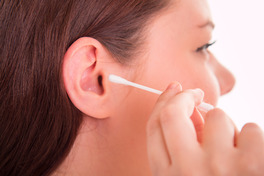
<p><a href="https://www.hiddenhearing.ie/components/com_wordpress/wp/wp-content/uploads/2017/03/signs-of-hearing-loss.png"><img class="  wp-image-29537 alignleft" src="https://www.hiddenhearing.ie/components/com_wordpress/wp/wp-content/uploads/2017/03/signs-of-hearing-loss.png" alt="signs-of-hearing-loss" width="212" height="180" /></a>The most obvious and simple way is to protect the ears from any type of damage. You ears have a natural self-cleaning process, so there is no need to insert things into the ear canal like cotton buds or Qtips to remove wax from the ears. Putting things like these objects into the ears can risk damaging the ear drum and can even make the build up of earwax greater by pushing it further down the ear and compacting it through pressure. Earwax, if it builds up enough in the ear can make you also think your hearing is depleting. We offer a FREE professional earwax removal service in selected branches &amp; clinics nationwide for over 55s.<a href="https://www.hiddenhearing.ie/contact-us/request-free-ear-wax-removal" target="_blank"> Just click here to book your earwax appointment.</a></p>
<p>To book a free hearing test to to talk to someone if your concerned about having Tinnitus, call 1800 882 884 or <a href="https://www.hiddenhearing.ie/contact-us/request-a-free-hearing-test" target="_blank">find your local clinic here.</a> Our expert audiologists can help you with your symptoms and recommend techniques and coping strategies to help you.</p>
<p><strong>Research Methodology</strong></p>
<p>Research was conducted by Empathy Research through an online survey across a nationally representative sample of 1,003 adults aged 18+. Quotas were placed on gender, age, social class and region with weighting applied to ensure final data was representative of these quotas. Fieldwork was conducted from 3<sup>rd</sup> – 9<sup>th</sup> February 2017 with a sample size of 1,003 results in a margin of error of +/- 3.2%</p>
<p>The post <a rel="nofollow" href="https://www.hiddenhearing.ie/blog/world-tinnitus-day-hidden-hearing/">World Tinnitus Day &#8211; Hidden Hearing</a> appeared first on <a rel="nofollow" href="https://www.hiddenhearing.ie/blog">The Hidden Hearing Blog</a>.</p>
]]></content:encoded>
			<wfw:commentRss>https://www.hiddenhearing.ie/blog/world-tinnitus-day-hidden-hearing/feed/</wfw:commentRss>
		<slash:comments>0</slash:comments>
		</item>
		<item>
		<title>World Health Day #LetsTalk &#8211; Hearing health &amp; Mental Health</title>
		<link>https://www.hiddenhearing.ie/blog/world-health-day/</link>
		<comments>https://www.hiddenhearing.ie/blog/world-health-day/#comments</comments>
		<pubDate>Mon, 03 Apr 2017 15:23:58 +0000</pubDate>
		<dc:creator><![CDATA[Hidden Hearing]]></dc:creator>
				<category><![CDATA[ear wax removal]]></category>
		<category><![CDATA[Health Matters]]></category>
		<category><![CDATA[hearing lifestyle]]></category>
		<category><![CDATA[Hearing Loss]]></category>
		<category><![CDATA[hearing tests]]></category>
		<category><![CDATA[tinnitus]]></category>
		<category><![CDATA[depression]]></category>
		<category><![CDATA[digital hearing aids]]></category>
		<category><![CDATA[Free Hearing Test]]></category>
		<category><![CDATA[Hearing loss]]></category>
		<category><![CDATA[invisible hearing aid]]></category>
		<category><![CDATA[Tinnitus]]></category>

		<guid isPermaLink="false">https://www.hiddenhearing.ie/blog/?p=29557</guid>
		<description><![CDATA[<p>Depression is a major challenge to health in the WHO European Region and is the focus of World Health Day 2017. The theme “Depression: let’s talk” recognizes that depression is a treatable condition and seeks to address the fact that, </br><a class="read-more" href="https://www.hiddenhearing.ie/blog/world-health-day/">More....</a></p>
<p>The post <a rel="nofollow" href="https://www.hiddenhearing.ie/blog/world-health-day/">World Health Day #LetsTalk &#8211; Hearing health &#038; Mental Health</a> appeared first on <a rel="nofollow" href="https://www.hiddenhearing.ie/blog">The Hidden Hearing Blog</a>.</p>
]]></description>
				<content:encoded><![CDATA[<p><a href="https://www.hiddenhearing.ie/components/com_wordpress/wp/wp-content/uploads/2017/04/fb_cover_2.jpg"><img class=" size-full wp-image-29558 aligncenter" src="https://www.hiddenhearing.ie/components/com_wordpress/wp/wp-content/uploads/2017/04/fb_cover_2.jpg" alt="fb_cover_2" width="851" height="315" /></a></p>
<p>Depression is a major challenge to health in the WHO European Region and is the focus of World Health Day 2017. The theme “Depression: let’s talk” recognizes that depression is a treatable condition and seeks to address the fact that, despite this, about 50% of cases of major depression still go untreated. The high personal, social and economic costs and the large proportion of people who are not receiving any treatment, despite the availability of cheap and effective care, underscore the importance of overcoming this challenge.</p>
<h2>Did you know that hearing loss and depression can go hand and hand?</h2>
<p>Everyone can agree that mental health and hearing health are important, yet it wasn’t until the results of recent studies were released that a strong correlation between the two was confirmed. <a title="Is Hearing Loss Linked To Depression" href="https://www.hiddenhearing.ie/blog/is-hearing-loss-linked-to-depression/"><strong>Depression in particular has been linked to hearing loss</strong></a> and unfortunately both conditions often go unacknowledged, unrecognized or untreated by health care professionals. But what if that wasn’t the case? Could shining a spotlight on the link between hearing loss and depression improve mental health among those with a hearing loss?</p>
<p>For example, since 2008 England has significantly increased the provision of evidence-based talking therapy to people with depression and anxiety through a large-scale programme called “Improving access to psychological therapies”, available through the National Health Service. By 2012 the programme had treated more than 1 million people, of whom 680 000 completed the full course of treatment. The recovery rates of the 680 000 people were consistently above 45%, as was expected from the research evidence. -<a href="http://www.euro.who.int/en/media-centre/events/events/2017/04/world-health-day-2017-depression-lets-talk/background" target="_blank"> Statistics from WHO</a></p>
<p>Hearing loss can certainly lead to isolation and avoidance of certain social situations and its important for your to know the signs of hearing loss. Or if you know someone with a hearing loss and has become quite withdrawn from their social life as a result, encourage them to seek help or re engage with their social life. More often than not the person who would suffer from hearing loss would be elderly and live alone.</p>
<p><strong><img class="  wp-image-29567 aligncenter" src="https://www.hiddenhearing.ie/components/com_wordpress/wp/wp-content/uploads/2017/04/Twitter_profile.jpg" alt="Twitter_profile" width="224" height="264" />Symptoms of Hearing loss:</strong></p>
<ul>
<li>Difficulty understanding everyday conversation</li>
<li>A feeling of being able to hear but not understand</li>
<li>Having to turn up the TV or radio</li>
<li>Asking others to repeat often</li>
<li>Avoidance of social situations that were once enjoyable</li>
<li>Increased difficulty communicating in noisy situations like restaurants, lively family gatherings, in the car or in group meetings</li>
<li>Tinnitus, or ringing and/or buzzing sounds in the ears</li>
</ul>
<p>If you are worried about a friend or family members hearing loss and think that its taking from their mental health and they are becoming more isolated as a result, you can refer them to one of our 75 clinics or branches nationwide. We understand hearing loss and how it can effect people in different ways including isolation. In follow up appointments which we call the rehabilitation process,  we not only check up on the devices we fit but take personal interest in each patient that wears them.</p>
<h2>#Letstalk</h2>
<p>People have found that by visiting us &#8211; that they just had a build up of earwax in their ears and after its removed, their hearing turns back to normal. A build up of earwax is easily fixed and we offer a free nationwide service to over 55s. There is a fee of 50 euro for people under the age of 55s<a href="https://www.hiddenhearing.ie/contact-us/request-free-ear-wax-removal" target="_blank">. If you think earwax could be a problem we offer this service in select clinics &amp; branches nationwide.</a></p>
<p>Book your free hearing test or earwax removal today by calling 1800 882 884 or <a href="https://www.hiddenhearing.ie/contact-us/find-your-local-clinic" target="_blank">click here to find your local clinic.</a></p>
<p>The post <a rel="nofollow" href="https://www.hiddenhearing.ie/blog/world-health-day/">World Health Day #LetsTalk &#8211; Hearing health &#038; Mental Health</a> appeared first on <a rel="nofollow" href="https://www.hiddenhearing.ie/blog">The Hidden Hearing Blog</a>.</p>
]]></content:encoded>
			<wfw:commentRss>https://www.hiddenhearing.ie/blog/world-health-day/feed/</wfw:commentRss>
		<slash:comments>0</slash:comments>
		</item>
		<item>
		<title>Hidden Hearing on How to Clean Your Ears</title>
		<link>https://www.hiddenhearing.ie/blog/how-to-clean-your-ears/</link>
		<comments>https://www.hiddenhearing.ie/blog/how-to-clean-your-ears/#comments</comments>
		<pubDate>Wed, 22 Mar 2017 09:45:07 +0000</pubDate>
		<dc:creator><![CDATA[Hidden Hearing]]></dc:creator>
				<category><![CDATA[About Us]]></category>
		<category><![CDATA[ear wax removal]]></category>
		<category><![CDATA[healthy eating]]></category>
		<category><![CDATA[hearing lifestyle]]></category>
		<category><![CDATA[Hearing Loss]]></category>
		<category><![CDATA[hearing tests]]></category>
		<category><![CDATA[tinnitus]]></category>
		<category><![CDATA[age related hearing loss]]></category>
		<category><![CDATA[Earwax]]></category>
		<category><![CDATA[Tinnitus]]></category>

		<guid isPermaLink="false">https://www.hiddenhearing.ie/blog/?p=29444</guid>
		<description><![CDATA[<p>&#160; Earwax is a problem everyone has to deal with. The human body produces earwax as a protective measure (keeping out bacteria, bugs, and dirt), but sometimes TOO MUCH ear wax is produced.  If left untreated you can end up suffering from hearing loss </br><a class="read-more" href="https://www.hiddenhearing.ie/blog/how-to-clean-your-ears/">More....</a></p>
<p>The post <a rel="nofollow" href="https://www.hiddenhearing.ie/blog/how-to-clean-your-ears/">Hidden Hearing on How to Clean Your Ears</a> appeared first on <a rel="nofollow" href="https://www.hiddenhearing.ie/blog">The Hidden Hearing Blog</a>.</p>
]]></description>
				<content:encoded><![CDATA[<p>&nbsp;</p>
<p><a href="https://www.hiddenhearing.ie/components/com_wordpress/wp/wp-content/uploads/2017/03/ear-and-hand.jpg"><img class="  wp-image-29456 aligncenter" src="https://www.hiddenhearing.ie/components/com_wordpress/wp/wp-content/uploads/2017/03/ear-and-hand-1024x681.jpg" alt="ear and hand" width="265" height="147" /></a>Earwax is a problem everyone has to deal with. The human body produces earwax as a protective measure (keeping out bacteria, bugs, and dirt), but sometimes TOO MUCH ear wax is produced.  If left untreated you can end up suffering from hearing loss as earwax can clog your ears leaving you with a ringing sound and tinnitus symptoms.</p>
<h2>Why Should You Clean Your Ears?</h2>
<ul>
<li>To prevent dust, germs, and bacteria from entering your inner ears</li>
<li>To reduce the risk of irritation, infection, or damage to the sensitive skin of your inner ear</li>
<li>To slow the growth and spread of bacteria (which lives in your ear canal)</li>
<li>To protect your ear from being irritated by exposure to water (such as when you go swimming)</li>
</ul>
<p>Well, you only get rid of it if there is <strong>too much ear wax</strong>. An excess of ear wax can increase the presence of bacteria in your ears, making it more likely that you will suffer ear infections. It can also affect your hearing negatively. Many people think that there hearing is deteriorating &#8211; however it turns out to be just a build up of ear wax! If there is too much ear wax, you should clean your ears or have them irrigated professionally.</p>
<h2>What Is The Best Way To Clean Your Ears?</h2>
<p><a href="https://www.hiddenhearing.ie/components/com_wordpress/wp/wp-content/uploads/2016/06/Fotolia_111716629_XS.jpg"><img class=" size-full wp-image-28730 alignleft" src="https://www.hiddenhearing.ie/components/com_wordpress/wp/wp-content/uploads/2016/06/Fotolia_111716629_XS.jpg" alt="female model attractive woman on plein background with copy spac" width="421" height="285" /></a>We recommend that you have your earwax removed professionally as some methods of at home earwax removal can cause damage to the ear canal. Cotton swabs or Q-tips as there also known as &#8211;  are one of the most popular ear cleaning options. They’re cheap, available in every supermarket, chemist, shopping center and are easy to use. However, did you know by doing this you risk putting wax further down your ear canal? At the beginning, it will just a small quantity of ear wax around the ear canal. But the more you push the ear wax deeper into your ear, the more wax builds up. Eventually, you’ve pushed so much wax into your ear that you have developed an ear plug of wax deep in the ear canal, and you can block the canal completely – leading to reduced hearing and a long lasting ringing sounds (Tinnitus).</p>
<p>A build up of ear wax in the ear canal can form plugs of ear wax and it causes a feeling of fullness &amp; dulled hearing. A build up of ear wax can also cause a ringing in the ear (Tinnitus) or even a mild type of dizziness (Vertigo). Your ears are fragile and also can easily be ruptured by using cotton swabs.</p>
<p>There are many ways to clean your ears safely &#8211; Hidden Hearing recommends Ear Irrigation.</p>
<h2><strong>Professional Ear Irrigation (Syringing)</strong></h2>
<p>For those who want a safe solution, ear irrigation is an effective option to consider. <a href="https://www.hiddenhearing.ie/services/free-ear-wax-removal" target="_blank">Hidden Hearing offer free earwax removal by Irrigation to over 55s.</a></p>
<p><strong>Note:</strong> DO NOT try this at home! <a href="https://www.hiddenhearing.ie/services/free-ear-wax-removal" target="_blank">Visit your local Hidden Hearing Clinic</a> &amp; seek advice from your local Ear Wax Removal Specialist or Audiologist.</p>
<p>Simply put, the treatment involves water injected from a syringe into your ear. Our Ear Wax Removal Specialists applying the treatment will point the tip of the syringe at the edges of the ear wax, with the goal of loosening up large chunks or globs of wax.</p>
<p>Once the wax is loosened, it can be removed with medical tweezers. It is a highly efficient ear-cleaning method, and it can get rid of ear wax blockages.</p>
<p>We recommend that before your Ear Wax Removal Appointment, you use ear drops 2/3 times daily for 3-5 days before your appointment.</p>
<p><strong>Types of ear drops that can be used:</strong></p>
<ul>
<li>Olive Oil</li>
<li>Almond Oil</li>
<li>Sodium Bicarbonate ear drops</li>
<li>Sodium Chloride ear drops</li>
</ul>
<h2>How to use ear drops 3/5 days before your Ear Wax Removal Appointment</h2>
<ul>
<li>Start your appointment preparation 3/5 days before hand</li>
<li>Pour a few drops into the affected ear 2/3 times a day for up to 5 days</li>
<li>When you pour the few drops into your ear, lie with the affected ear uppermost</li>
<li>Stay in this position for 2-3 minutes to allow the drops to soak into the earwax</li>
</ul>
<p><a href="https://www.hiddenhearing.ie/services/free-ear-wax-removal" target="_blank">Dr. Nina Byrnes  &#8211; Hidden Hearing&#8217;s Medical Advisors <strong>Top Wax Tip &#8211; </strong></a></p>
<p><em>&#8220;Before bed, apply the ear drops or olive oil to the ear and then put some cotton wool with a smear of Vaseline on the inside of into the ear &amp; sleep like that. The earwax is softened and it often breaks up if you put in drops at least once a day for 3/5 days&#8221;.</em></p>
<p><iframe width="500" height="281" src="https://www.youtube.com/embed/4LgYMM2dciQ?feature=oembed" frameborder="0" allowfullscreen></iframe></p>
<h2>How Often Should You Clean Your Ears?</h2>
<p>There is no one answer to this as everyone’s body produces ear wax at a different rate, so it’s impossible for doctors,  to give a definitive answer. Genetics, diet and exercise can all be other factors effecting wax build up. Our professional ear wax removal specialists can advise you on what frequency you should clean your ears.</p>
<p>Book in for an ear wax removal today by calling 1800 882 884 or by clicking <a href="https://www.hiddenhearing.ie/services/free-ear-wax-removal" target="_blank">here</a>.</p>
<p>The post <a rel="nofollow" href="https://www.hiddenhearing.ie/blog/how-to-clean-your-ears/">Hidden Hearing on How to Clean Your Ears</a> appeared first on <a rel="nofollow" href="https://www.hiddenhearing.ie/blog">The Hidden Hearing Blog</a>.</p>
]]></content:encoded>
			<wfw:commentRss>https://www.hiddenhearing.ie/blog/how-to-clean-your-ears/feed/</wfw:commentRss>
		<slash:comments>0</slash:comments>
		</item>
		<item>
		<title>Tinnitus, Hearing loss &amp; the St Patrick&#8217;s Day Parade</title>
		<link>https://www.hiddenhearing.ie/blog/tinnitus-hearing-loss-the-st-patricks-day-parade/</link>
		<comments>https://www.hiddenhearing.ie/blog/tinnitus-hearing-loss-the-st-patricks-day-parade/#comments</comments>
		<pubDate>Tue, 14 Mar 2017 16:39:24 +0000</pubDate>
		<dc:creator><![CDATA[Hidden Hearing]]></dc:creator>
				<category><![CDATA[Health Matters]]></category>
		<category><![CDATA[healthy eating]]></category>
		<category><![CDATA[Hearing Loss]]></category>
		<category><![CDATA[tinnitus]]></category>

		<guid isPermaLink="false">https://www.hiddenhearing.ie/blog/?p=29516</guid>
		<description><![CDATA[<p>Tinnitus affects about 10 &#8211; 20% per cent of adults according to the Hearing Heath Foundation. You might find that this St Patrick&#8217;s Day during the festivities while watching the parade, there might be some temporary ringing in your ears after. This </br><a class="read-more" href="https://www.hiddenhearing.ie/blog/tinnitus-hearing-loss-the-st-patricks-day-parade/">More....</a></p>
<p>The post <a rel="nofollow" href="https://www.hiddenhearing.ie/blog/tinnitus-hearing-loss-the-st-patricks-day-parade/">Tinnitus, Hearing loss &#038; the St Patrick&#8217;s Day Parade</a> appeared first on <a rel="nofollow" href="https://www.hiddenhearing.ie/blog">The Hidden Hearing Blog</a>.</p>
]]></description>
				<content:encoded><![CDATA[<p><a href="https://www.hiddenhearing.ie/components/com_wordpress/wp/wp-content/uploads/2017/03/Athy-St.-Patrick.png"><img class="alignright wp-image-29517 size-medium" src="https://www.hiddenhearing.ie/components/com_wordpress/wp/wp-content/uploads/2017/03/Athy-St.-Patrick-300x171.png" alt="St Patrick's day" width="300" height="171" /></a>Tinnitus affects about 10 &#8211; 20% per cent of adults according to the <strong><a href="http://hearinghealthfoundation.org/statistics" target="_blank">Hearing Heath Foundation</a></strong>. You might find that this St Patrick&#8217;s Day during the festivities while watching the parade, there might be some <a href="/blog/tinnitus-what-to-do-about-ringing-in-the-ears/"><strong>temporary ringing in your ears</strong></a> after. This could be a sign that you may have tinnitus or possibly that you have a build up of <a href="/services/free-ear-wax-removal"><strong>ear wax</strong></a> in your ear!</p>
<p>If you notice a buzzing or ringing sound in your ear this St Patricks day, have your ears checked by your <a href="https://www.hiddenhearing.ie/contact-us/find-your-local-clinic" target="_blank">local Hidden Hearing, Hearing Aid Audiologist in one of our 75 branches &amp; clinics nationwide.</a></p>
<p><a href="/hearing-loss/what-is-tinnitus"><strong>Tinnitus</strong></a> can vary in severity and even though most people have a relatively mild form, it can have a big impact on their quality of life. Tinnitus is a physical condition. In other words, it is not something you imagine. There are a number of possible causes, but it is quite often associated with hearing loss.</p>
<h2><strong>Things that could make tinnitus worse</strong></h2>
<ul>
<li>Stress and fatigue</li>
<li>Caffeine, tea, coffee, cola soft drinks, chocolate, alcohol, nicotine and some drugs</li>
</ul>
<p><strong>Stress can more than double the instance of tinnitus</strong></p>
<p><a href="https://www.hiddenhearing.ie/components/com_wordpress/wp/wp-content/uploads/2017/02/ear-and-hand.jpg"><img class="alignright size-medium wp-image-29480" src="https://www.hiddenhearing.ie/components/com_wordpress/wp/wp-content/uploads/2017/02/ear-and-hand-300x199.jpg" alt="ear and hand" width="300" height="199" /></a>Tinnitus is more than doubly prevalent in persons who are under stress or burnt out than in other people. This is shown by a study from The Karolinska Institute in Sweden.</p>
<p>In the study, test persons were exposed to stressful situations, for example answering questions while at the same time being interrupted. After the test, blood tests were taken as were new hearing tests. The blood tests tested for levels of cortisol. Cortisol is a hormone which is activated in stressful situations and animal tests have shown that cortisol effects hearing.</p>
<p>“We found that tinnitus is 2.5 times more prevalent in people who are under long-term stress,” says Professor Barbara Canlon, who was one of the people leading the research.</p>
<p><strong>Perceiving sound poorly</strong></p>
<p>According to Professor Canlon, &#8220;There was also a clear tendency showing that sound recognition and the ability to perceive spoken numbers in noise was worse in the group of stressed subjects than in other people. This is the first time that it can be proven that long-term stress has an effect on hearing. It is important to consider long-term stress and the risk of burnout when treating tinnitus and over-sensitivity to sound.”</p>
<p>The researchers surmise that tinnitus and stress react together, in that stress can lead to tinnitus and tinnitus can lead to stress.</p>
<h2><strong>Top tips to help manage tinnitus</strong></h2>
<p>Here is some simple advice which may help you cope with the constant noise of tinnitus:</p>
<ul class="a">
<li>Avoid anxiety or stress, as these stimulate an already sensitive hearing system.</li>
<li>Have adequate rest and avoid fatigue.</li>
<li>Avoid the use of stimulants to the nervous system, including coffee (caffeine), alcohol, and smoking (nicotine).</li>
<li>Sleep with your head propped up in an elevated position. This may usually be accomplished with the use of one or two extra pillows. This lessens head congestion, and tinnitus may become less noticeable.</li>
<li>Be aware that tinnitus is usually more noticeable after retiring for the night and the surroundings are quieter. Any noise in the room, such as a ticking clock or softly playing radio, helps to mask tinnitus and make it less irritating.</li>
<li>Use a tinnitus masker if you find this helpful</li>
<li>Some people benefit by using a hearing aid as it amplifies outside noise (like masking)</li>
<li>Avoid situations that can further damage hearing (excessive noise), and protect your ears from injury and occupational hazards. Use protective ear wear when appropriate.</li>
<li>Some people receive considerably relief in alternative therapies</li>
<li>Counseling may be beneficial, especially if people are afraid that they have a serious or progressive disease, such as a brain tumor. Some people worry they may have a mental illness, because the noise is &#8220;in their head.&#8221; Reassurance by a specialist helps to calm such fears and anxieties.</li>
</ul>
<p><iframe width="500" height="281" src="https://www.youtube.com/embed/xaEDzJlhYrQ?feature=oembed" frameborder="0" allowfullscreen></iframe></p>
<p><a href="https://www.hiddenhearing.ie/contact-us/request-a-free-hearing-test"><strong>Book your free hearing test today</strong></a>. Call 1800 882 884 or <a href="https://www.hiddenhearing.ie/contact-us/find-your-local-clinic" target="_blank">find your local Hidden Hearing Clinic.</a></p>
<p>&nbsp;</p>
<p>The post <a rel="nofollow" href="https://www.hiddenhearing.ie/blog/tinnitus-hearing-loss-the-st-patricks-day-parade/">Tinnitus, Hearing loss &#038; the St Patrick&#8217;s Day Parade</a> appeared first on <a rel="nofollow" href="https://www.hiddenhearing.ie/blog">The Hidden Hearing Blog</a>.</p>
]]></content:encoded>
			<wfw:commentRss>https://www.hiddenhearing.ie/blog/tinnitus-hearing-loss-the-st-patricks-day-parade/feed/</wfw:commentRss>
		<slash:comments>0</slash:comments>
		</item>
		<item>
		<title>Hidden Hearing Street Survey Results on Hearing Loss are surprising!</title>
		<link>https://www.hiddenhearing.ie/blog/hidden-hearing-street-survey-results-are-in/</link>
		<comments>https://www.hiddenhearing.ie/blog/hidden-hearing-street-survey-results-are-in/#comments</comments>
		<pubDate>Tue, 28 Feb 2017 17:23:27 +0000</pubDate>
		<dc:creator><![CDATA[Hidden Hearing]]></dc:creator>
				<category><![CDATA[Hearing Loss]]></category>
		<category><![CDATA[Hearing News]]></category>
		<category><![CDATA[hearing tests]]></category>
		<category><![CDATA[technology]]></category>
		<category><![CDATA[tinnitus]]></category>
		<category><![CDATA[Hearing Awareness Week 2017]]></category>
		<category><![CDATA[Hearing loss]]></category>
		<category><![CDATA[hidden hearing]]></category>
		<category><![CDATA[iPHONE]]></category>
		<category><![CDATA[MP3]]></category>
		<category><![CDATA[music]]></category>
		<category><![CDATA[music levels]]></category>

		<guid isPermaLink="false">https://www.hiddenhearing.ie/starkey/?p=29492</guid>
		<description><![CDATA[<p>Irish Mobile Phone Users Risking Serious Hearing Damage by Setting Volume Levels to the Max - 1 in 2 young people aged 18-24 showing early signs of noise-induced hearing loss - Wednesday, 22nd February 2017: A third (33%) of Irish </br><a class="read-more" href="https://www.hiddenhearing.ie/blog/hidden-hearing-street-survey-results-are-in/">More....</a></p>
<p>The post <a rel="nofollow" href="https://www.hiddenhearing.ie/blog/hidden-hearing-street-survey-results-are-in/">Hidden Hearing Street Survey Results on Hearing Loss are surprising!</a> appeared first on <a rel="nofollow" href="https://www.hiddenhearing.ie/blog">The Hidden Hearing Blog</a>.</p>
]]></description>
				<content:encoded><![CDATA[<h1>Irish Mobile Phone Users Risking Serious Hearing Damage by Setting Volume Levels to the Max</h1>
<p><em>- 1 in 2 young people aged 18-24 showing early signs of noise-induced hearing loss -</em></p>
<p><a href="https://www.hiddenhearing.ie/components/com_wordpress/wp/wp-content/uploads/2017/02/bigstock-listening-to-Music-woman-wearing-headphon-48690104.jpg"><img class=" size-medium wp-image-29493 alignleft" src="https://www.hiddenhearing.ie/components/com_wordpress/wp/wp-content/uploads/2017/02/bigstock-listening-to-Music-woman-wearing-headphon-48690104-300x200.jpg" alt="Music - woman wearing headphones listening to music with music n" width="300" height="200" /></a></p>
<p>Wednesday, 22nd February 2017: A third (33%) of Irish people who prefer to listen to music on their mobile phone and MP3 player are listening at dangerously high volume levels and for twice as long as is safe, with one in four (26%), experiencing symptoms of noise-induced hearing loss &#8211; new research by Hidden Hearing reveals today.</p>
<p>The research among 1,003 adults was commissioned by Hidden Hearing to mark World Hearing Day on Friday, 3rd March and to drive awareness for Hearing Awareness Week, a national health campaign that highlights the issue of hearing loss, with free hearing tests being offered throughout the country from 6th &#8211; 10th March.</p>
<p>Hearing experts recommend that people follow the 60/60 rule when listening to music on personal devices like a mobile or MP3 player; that’s listening at levels up to 60% of maximum volume for a total of 60 minutes a day.</p>
<p>However, the Hidden Hearing research reveals that Irish people listen to music on their mobile or MP3 player for almost two hours (113 minutes) a day on average, with a third (33%) listening at dangerous sound levels of over 100 decibels (dB), the equivalent of a jet airplane taking-off or a rock concert.</p>
<p>The research spotlights the extreme ‘risky listening’ habits of Irish people, with young people aged 18-24 years listening to music via their mobile phones at ‘dangerous decibel’ levels.</p>
<p><a href="https://www.hiddenhearing.ie/components/com_wordpress/wp/wp-content/uploads/2017/02/homer-simpsons-music-headphones-anime.jpg"><img class=" size-medium wp-image-29494 alignleft" src="https://www.hiddenhearing.ie/components/com_wordpress/wp/wp-content/uploads/2017/02/homer-simpsons-music-headphones-anime-300x188.jpg" alt="homer-simpsons-music-headphones-anime" width="300" height="188" /></a>– The majority (71%) of young people aged 18-24 years prefer to listen to music via their mobile phone for 2 hours, 5 minutes a day &#8211; twice the recommended limit<br />
– Almost one in five (17%) deliberately set the volume to the maximum loudness<br />
– Four in ten (42) have experienced ringing and buzzing in their ears and risk causing permanent damage to their ears. Tinnitus (ringing in ears) usually begins at 127 dB and can be an early indicator of hearing loss<br />
– Almost one in ten people aged 25-34 years would not be worried if they had permanent ringing or buzzing in their ears: demonstrating a clear lack of awareness of the damage and risks associated with sustained exposure to loud noise</p>
<p>Almost half of Irish adults (48%) listen to music on their personal device using in-ear earphones, which can potentially cause more hearing harm than headphones. This climbs to 74% among a younger audience of 18-24 year olds.</p>
<p><strong>Dolores Madden, Audiologist and Marketing Director with Hidden Hearing</strong> warns that young people will have to face the music of premature hearing loss if they don&#8217;t turn the volume down, “If you suffer ringing in the ears or buzzing after listening to loud music, that tells us that the damage is already done. Our research paints a worrying picture for the long-term hearing health of younger people especially. An EU study claims by 2020 it may be commonplace for up to 10% of 30 year olds to be wearing a hearing aid and our latest research in Ireland certainly supports that trend. The volume limits are there on our phones and MP3 players to protect our hearing, but it’s frightening to see so many Irish people &#8211; particularly young people &#8211; ignore or disregard them.</p>
<p><iframe width="500" height="281" src="https://www.youtube.com/embed/THGcyhAstxs?feature=oembed" frameborder="0" allowfullscreen></iframe></p>
<p><em>Watch our video above on the street survey, recently carried out by Hidden Hearing &amp; Empathy Research.</em></p>
<p>“Listening to loud music a lot on your mobile phone can cause hearing damage, especially if in-ear buds are used as these offer less protection than headphones. With buds, it’s not so much the noise, but the sound pressure that can cause the damage. The bud is inserted in the ear, so the pressure goes straight into the inner ear canal and that can be dangerous if listening for long periods at maximum volume, which a worrying number of Irish people are doing. The World Health Organisation estimates that up to one third of hearing loss in the world’s population is preventable, so boosting awareness is hugely important”, Madden adds.</p>
<p><strong>Mobile Phones &#8211; No.1 for music listening</strong><br />
More than three times the number of people prefer to use their mobile phone to listen to music to, usurping MP3 players and iPods. Almost half listen to music via their mobile (44%), followed by iPod (13%) and MP3 player (12%).</p>
<h1>
Other research highlights:</h1>
<ul>
<li>On average Irish people listen to music via a personal device for 1 hour 53 minutes a day, with the average listening session being 1 hour 3 minutes (twice that recommended).</li>
<li> 41% of people who listen to music on their personal device at maximum sound level, are listening for an hour or more every day, so risk serious hearing damage.</li>
<li> One in four (26%) Irish adults have experienced ringing/buzzing in the ear with one in five (19%) experiencing this after listening to music on their personal device.</li>
<li>This goes up to one in three among those who listen to music at maximum volume.</li>
<li>A third of people (34%) use headphones, with one in four using Bluetooth/wireless speakers (25%).</li>
</ul>
<h1>
Hidden Hearing Top tips to protect your hearing while listening to personal devices:</h1>
<p>Tip 1: If you are listening with headphones to your personal device and someone is talking to you in a normal voice at arm’s length away, you should be able to hear them clearly<br />
Tip 2: Set a safe listening limit on your devices. Go to settings to override the 100dB (decibel) volume limit setting<br />
Tip 3: Observe the 60/60 rule &#8211; listen at 60% of the maximum volume for no more than 60 minutes a day<br />
Tip 4: Take regular breaks</p>
<h5><strong>About Hearing Awareness Week, with Hidden Hearing:</strong></h5>
<p>Hearing Awareness Week is a major national campaign that highlights the issue of hearing loss and how it&#8217;s a key part of overall health and wellness. 2017 marks the 10 Year Anniversary of Hearing Awareness Week, and it will run in five cities from 6th &#8211; 10th March. In Ireland, 1 in 5 people aged over 60 in Ireland have a significant hearing loss and there’s been a huge increase in the number of younger people presenting with hearing issues. Hearing Awareness Week is sponsored and run by partners Hidden Hearing, Active Retirement Ireland, The Irish Heart Foundation and Diabetes Ireland.  <a href="https://www.hiddenhearing.ie/haw-17" target="_blank">Register for your local event here.</a></p>

<a href='https://www.hiddenhearing.ie/blog/hidden-hearing-street-survey-results-are-in/no-fee-hearing-awareness-4/'><img width="1024" height="674" src="https://www.hiddenhearing.ie/components/com_wordpress/wp/wp-content/uploads/2017/02/NO-FEE-HEARING-AWARENESS-4-1024x674.jpg" class="attachment-large" alt="Mary Kennedy - RTE, Mai Quaid - President of ARI - Active Retirement Ireland, The Hot House Big Band &amp; The Dublin City Dance Group all came together in support of Hearing Awareness Week" /></a>
<a href='https://www.hiddenhearing.ie/blog/hidden-hearing-street-survey-results-are-in/no-fee-hearing-awareness-5/'><img width="1024" height="739" src="https://www.hiddenhearing.ie/components/com_wordpress/wp/wp-content/uploads/2017/02/NO-FEE-HEARING-AWARENESS-5-1024x739.jpg" class="attachment-large" alt="Mary Kennedy - RTE, The Hot House Big Band &amp; Stephen Leddy - Managing Director of Hidden Hearing" /></a>
<a href='https://www.hiddenhearing.ie/blog/hidden-hearing-street-survey-results-are-in/no-fee-hearing-awareness-6/'><img width="1024" height="694" src="https://www.hiddenhearing.ie/components/com_wordpress/wp/wp-content/uploads/2017/02/NO-FEE-HEARING-AWARENESS-6-1024x694.jpg" class="attachment-large" alt="Mary Kennedy - RTE, The Hot House Big Band" /></a>
<a href='https://www.hiddenhearing.ie/blog/hidden-hearing-street-survey-results-are-in/no-fee-hearing-awareness/'><img width="1024" height="722" src="https://www.hiddenhearing.ie/components/com_wordpress/wp/wp-content/uploads/2017/02/NO-FEE-HEARING-AWARENESS-1024x722.jpg" class="attachment-large" alt="Mary Kennedy - RTE, Mai Quaid - President of ARI - Active Retirement Ireland, The Hot House Big Band &amp; The Dublin City Dance Group all came together in support of Hearing Awareness Week" /></a>

<p><strong>Interviews/case studies:</strong><br />
We have a number of interesting case studies to speak to this research, ranging in age from 20s to 60s available for interview as well as a Hidden Hearing Audiologist.</p>
<p><strong>Research methodology</strong><br />
Research was conducted by Empathy Research through an online survey across a nationally representative sample of 1,003 adults aged 18+. Quotas were placed on gender, age, social class and region with weighting applied to ensure final data was representative of these quotas. Fieldwork was conducted from 3rd – 9th February 2017 with a sample size of 1,003 results in a margin of error of +/- 3.2%</p>
<p><a href="https://www.hiddenhearing.ie/contact-us/request-a-free-hearing-test" target="_blank">Book your free hearing test</a> today or <a href="https://www.hiddenhearing.ie/haw-17" target="_blank">register for your local Hearing Awareness week event.</a> Call 1800 882 884 or click <a href="https://www.hiddenhearing.ie/contact-us" target="_blank">here.</a></p>
<p>The post <a rel="nofollow" href="https://www.hiddenhearing.ie/blog/hidden-hearing-street-survey-results-are-in/">Hidden Hearing Street Survey Results on Hearing Loss are surprising!</a> appeared first on <a rel="nofollow" href="https://www.hiddenhearing.ie/blog">The Hidden Hearing Blog</a>.</p>
]]></content:encoded>
			<wfw:commentRss>https://www.hiddenhearing.ie/blog/hidden-hearing-street-survey-results-are-in/feed/</wfw:commentRss>
		<slash:comments>0</slash:comments>
		</item>
	</channel>
</rss>