<?xml version="1.0" encoding="UTF-8"?><rss version="2.0"
	xmlns:content="http://purl.org/rss/1.0/modules/content/"
	xmlns:wfw="http://wellformedweb.org/CommentAPI/"
	xmlns:dc="http://purl.org/dc/elements/1.1/"
	xmlns:atom="http://www.w3.org/2005/Atom"
	xmlns:sy="http://purl.org/rss/1.0/modules/syndication/"
	xmlns:slash="http://purl.org/rss/1.0/modules/slash/"
	>

<channel>
	<title>The Hidden Hearing Blog &#187; loud music</title>
	<atom:link href="https://www.hiddenhearing.ie/blog/tag/loud-music/feed/" rel="self" type="application/rss+xml" />
	<link>https://www.hiddenhearing.ie/blog</link>
	<description></description>
	<lastBuildDate>Fri, 27 Oct 2017 10:57:52 +0000</lastBuildDate>
	<language>en-US</language>
	<sy:updatePeriod>hourly</sy:updatePeriod>
	<sy:updateFrequency>1</sy:updateFrequency>
	<generator>http://wordpress.org/?v=4.1.1</generator>
	<item>
		<title>May is Better Hearing &amp; Speech Month</title>
		<link>https://www.hiddenhearing.ie/blog/may-is-the-month-of-better-hearing-speech/</link>
		<comments>https://www.hiddenhearing.ie/blog/may-is-the-month-of-better-hearing-speech/#comments</comments>
		<pubDate>Fri, 05 May 2017 17:56:38 +0000</pubDate>
		<dc:creator><![CDATA[Hidden Hearing]]></dc:creator>
				<category><![CDATA[Hearing Aids]]></category>
		<category><![CDATA[Hearing Loss]]></category>
		<category><![CDATA[Hearing News]]></category>
		<category><![CDATA[hearing tests]]></category>
		<category><![CDATA[hearing aids]]></category>
		<category><![CDATA[Hearing loss]]></category>
		<category><![CDATA[hidden hearing]]></category>
		<category><![CDATA[loud music]]></category>
		<category><![CDATA[music]]></category>
		<category><![CDATA[noise]]></category>
		<category><![CDATA[noise induced hearing loss]]></category>
		<category><![CDATA[noise levels]]></category>

		<guid isPermaLink="false">https://www.hiddenhearing.ie/blog/?p=29742</guid>
		<description><![CDATA[<p>May is not only the first month of summer but it is also Better Hearing &#38; Speech Month. Hidden Hearing earlier this year commissioned research carried out by Empathy Research on hearing loss in Ireland and some of the results </br><a class="read-more" href="https://www.hiddenhearing.ie/blog/may-is-the-month-of-better-hearing-speech/">More....</a></p>
<p>The post <a rel="nofollow" href="https://www.hiddenhearing.ie/blog/may-is-the-month-of-better-hearing-speech/">May is Better Hearing &#038; Speech Month</a> appeared first on <a rel="nofollow" href="https://www.hiddenhearing.ie/blog">The Hidden Hearing Blog</a>.</p>
]]></description>
				<content:encoded><![CDATA[<p><a href="https://www.hiddenhearing.ie/components/com_wordpress/wp/wp-content/uploads/2017/05/2017-BHSM-FBCover-white.jpg"><img class="aligncenter size-full wp-image-29744" src="https://www.hiddenhearing.ie/components/com_wordpress/wp/wp-content/uploads/2017/05/2017-BHSM-FBCover-white.jpg" alt="Web" width="829" height="315" /></a>May is not only the first month of summer but it is also Better Hearing &amp; Speech Month. Hidden Hearing earlier this year commissioned research carried out by <em>Empathy Research</em> on hearing loss in Ireland and some of the results we found were surprising. We have found that hearing loss does not just effect  the 50+, now its being seen in younger people also.</p>
<p>Our research found that 1 in 2 young people aged 18-24 are showing signs of noise-induced hearing loss. This is because of the decibel level that these people listen to music on their devices or at gigs. A third (33%) of Irish people who prefer to listen to music on their mobile phone and MP3 player are listening at dangerously high volume levels and for twice as long as is safe, with one in four (26%), experiencing symptoms of noise-induced hearing loss.</p>
<p>Hearing experts recommend that people follow the 60/60 rule when listening to music on personal devices like a mobile or MP3 player; that’s listening at levels up to 60% of maximum volume for a total of 60 minutes a day. However, the Hidden Hearing research reveals that Irish people listen to music on their mobile or MP3 player for almost two hours (113 minutes) a day on average, with a third (33%) listening at dangerous sound levels of over 100 decibels (dB), the equivalent of a jet airplane taking-off or a rock concert.</p>
<h2><strong>Other Research Findings</strong></h2>
<ul>
<li>The majority (71%) of young people aged 18-24 years prefer to listen to music via their mobile phone for 2 hours, 5 minutes a day &#8211; twice the recommended limit.</li>
<li>Almost one in five (17%) deliberately set the volume to the maximum loudness.</li>
<li>Four in ten (42) have experienced ringing and buzzing in their ears and risk causing permanent damage to their ears. Tinnitus (ringing in ears) usually begins at 127 dB and can be an early indicator of hearing loss.</li>
<li>Almost one in ten people aged 25-34 years would not be worried if they had permanent ringing or buzzing in their ears: demonstrating a clear lack of awareness of the damage and risks associated with sustained exposure to loud noise.</li>
<li>Almost half of Irish adults (48%) listen to music on their personal device using in-ear earphones, which can potentially cause more hearing harm than headphones. This climbs to 74% among a younger audience of 18-24 year olds.</li>
</ul>
<p>&nbsp;</p>
<p><a href="https://www.hiddenhearing.ie/components/com_wordpress/wp/wp-content/uploads/2017/05/Facebook_Profile.jpg"><img class="alignleft size-full wp-image-29745" src="https://www.hiddenhearing.ie/components/com_wordpress/wp/wp-content/uploads/2017/05/Facebook_Profile.jpg" alt="Facebook_Profile" width="180" height="180" /></a>Dolores Madden, Audiologist and Marketing Director with Hidden Hearing warns that young people will have to face the music of premature hearing loss if they don&#8217;t turn the volume down, “If you suffer ringing in the ears or buzzing after listening to loud music, that tells us that the damage is already done. Our research paints a worrying picture for the long-term hearing health of younger people especially. An EU study claims by 2020 it may be commonplace for up to 10% of 30 year olds to be wearing a hearing aid and our latest research in Ireland certainly supports that trend. The volume limits are there on our phones and MP3 players to protect our hearing, but it’s frightening to see so many Irish people &#8211; particularly young people &#8211; ignore or disregard them.</p>
<p>“Listening to loud music a lot on your mobile phone can cause hearing damage, especially if in-ear buds are used as these offer less protection than headphones. With buds, it’s not so much the noise, but the sound pressure that can cause the damage. The bud is inserted in the ear, so the pressure goes straight into the inner ear canal and that can be dangerous if listening for long periods at maximum volume, which a worrying number of Irish people are doing. The World Health Organisation estimates that up to one third of hearing loss in the world’s population is preventable, so boosting awareness is hugely important”, Madden adds.</p>
<p>We found that mobile phones are peoples No.1 device for listening to music<br />
More than three times the number of people prefer to use their mobile phone to listen to music to, usurping MP3 players and iPods. Almost half listen to music via their mobile (44%), followed by iPod (13%) and MP3 player (12%).</p>
<h2><strong>Other research highlights</strong></h2>
<ul>
<li>On average Irish people listen to music via a personal device for 1 hour 53 minutes a day, with the average listening session being 1 hour 3 minutes (twice that recommended)</li>
<li>41% of people who listen to music on their personal device at maximum sound level, are listening for an hour or more every day, so risk serious hearing damage</li>
<li>One in four (26%) Irish adults have experienced ringing/buzzing in the ear with one in five (19%) experiencing this after listening to music on their personal device</li>
<li>This goes up to one in three among those who listen to music at maximum volume</li>
<li> A third of people (34%) use headphones, with one in four using Bluetooth/wireless speakers (25%)</li>
</ul>
<h2><strong>Hidden Hearing top tips to protect your hearing while listening to personal devices</strong></h2>
<ul>
<li style="text-align: left;">If you are listening with headphones to your personal device and someone is talking to you in a normal voice at arm’s length away, you should be able to hear them clearly.</li>
<li style="text-align: left;">Set a safe listening limit on your devices. Go to settings to override the 100dB (decibel) volume limit setting.</li>
<li style="text-align: left;">Observe the 60/60 rule &#8211; listen at 60% of the maximum volume for no more than 60 minutes a day</li>
<li style="text-align: left;">Take regular breaks</li>
</ul>
<h2>Book your free hearing test today!</h2>
<p>We have over 75 clinics and branches nationwide. To book your free hearing test today in one of our Hidden Hearing branches or clinics <a href="https://www.hiddenhearing.ie/contact-us/find-your-local-clinic" target="_blank">click here</a> or call 1800 882 884.</p>
<p>We also provide a free earwax removal service in selected branches &amp; clinics. To book into your nearest branch or clinic for an earwax removal appointment, <a href="https://www.hiddenhearing.ie/contact-us/request-free-ear-wax-removal" target="_blank">click here</a> or simply call 1800 882 884.</p>
<p>The post <a rel="nofollow" href="https://www.hiddenhearing.ie/blog/may-is-the-month-of-better-hearing-speech/">May is Better Hearing &#038; Speech Month</a> appeared first on <a rel="nofollow" href="https://www.hiddenhearing.ie/blog">The Hidden Hearing Blog</a>.</p>
]]></content:encoded>
			<wfw:commentRss>https://www.hiddenhearing.ie/blog/may-is-the-month-of-better-hearing-speech/feed/</wfw:commentRss>
		<slash:comments>0</slash:comments>
		</item>
		<item>
		<title>Hidden Hearing &#8211; Healthy Aging, Happy Aging &amp; Better Hearing</title>
		<link>https://www.hiddenhearing.ie/blog/hidden-hearing-healthy-aging-happy-aging-better-hearing/</link>
		<comments>https://www.hiddenhearing.ie/blog/hidden-hearing-healthy-aging-happy-aging-better-hearing/#comments</comments>
		<pubDate>Wed, 22 Mar 2017 09:50:05 +0000</pubDate>
		<dc:creator><![CDATA[Hidden Hearing]]></dc:creator>
				<category><![CDATA[age related hearing loss]]></category>
		<category><![CDATA[hearing aid]]></category>
		<category><![CDATA[hearing aids]]></category>
		<category><![CDATA[Hearing loss]]></category>
		<category><![CDATA[hidden hearing]]></category>
		<category><![CDATA[invisible hearing aid]]></category>
		<category><![CDATA[loud music]]></category>
		<category><![CDATA[noise induced hearing loss]]></category>
		<category><![CDATA[Tinnitus]]></category>

		<guid isPermaLink="false">https://www.hiddenhearing.ie/blog/?p=29459</guid>
		<description><![CDATA[<p>When people mention healthy aging &#38; hearing loss, many people get panicked and worry about a surge of medical conditions that can happen. I’m happy to tell you that getting older doesn&#8217;t necessarily mean you&#8217;ll have a bunch of medical </br><a class="read-more" href="https://www.hiddenhearing.ie/blog/hidden-hearing-healthy-aging-happy-aging-better-hearing/">More....</a></p>
<p>The post <a rel="nofollow" href="https://www.hiddenhearing.ie/blog/hidden-hearing-healthy-aging-happy-aging-better-hearing/">Hidden Hearing &#8211; Healthy Aging, Happy Aging &#038; Better Hearing</a> appeared first on <a rel="nofollow" href="https://www.hiddenhearing.ie/blog">The Hidden Hearing Blog</a>.</p>
]]></description>
				<content:encoded><![CDATA[<p><a href="https://www.hiddenhearing.ie/components/com_wordpress/wp/wp-content/uploads/2017/03/signs-of-hearing-loss.png"><img class=" size-medium wp-image-29537 aligncenter" src="https://www.hiddenhearing.ie/components/com_wordpress/wp/wp-content/uploads/2017/03/signs-of-hearing-loss-300x254.png" alt="signs-of-hearing-loss" width="300" height="254" /></a></p>
<p>When people mention healthy aging &amp; hearing loss, many people get panicked and worry about a surge of medical conditions that can happen. I’m happy to tell you that getting older doesn&#8217;t necessarily mean you&#8217;ll have a bunch of medical conditions, hearing loss or poor quality of life.</p>
<p>Maturity &amp; getting older involves change, both negative and positive, but you can enjoy aging if you understand what’s going on with your body and take steps to maintain your health and keep a healthy balance between positive &amp; negative change.</p>
<p>There are many factors about your body that will change over your live &amp; hearing is one dependent on your past &amp; current lifestyle &amp; past employment. Don&#8217;t let the changes that come with old age catch you by surprise.</p>
<p>Here are some of the common ones:</p>
<ul>
<li><strong>Your bones.</strong> Bones can become thinner and more brittle in old age, especially in women, sometimes resulting in the fragile bone condition called osteoporosis. Thinning bones and decreasing bone mass can put you at risk for falls that can easily result in broken bones. Be sure to talk with your physician about what you can do to prevent osteoporosis and falls.</li>
<li><strong>Your heart.</strong> The <span style="text-decoration: underline;">Better Hearing Institute</span> recommend that people with a hearing loss have regular cardiovascular checks and vice versa. While a healthy diet and regular exercise can keep your heart healthy, it may become slightly enlarged, your heart rate may lower, and the walls of the heart may thicken. This is why it’s important to keep your heart health in check as you get older along with your hearing health.</li>
<li><strong>Your brain and nervous system.</strong> Getting older can cause changes in your reflexes and even your senses. While dementia is not a normal consequence of old age, it is common for people to experience some <a href="http://www.hse.ie/eng/services/list/4/olderpeople/dementia?gclid=CjwKEAjwwcjGBRDj-P7TwcinyBkSJADymblTIW4b3vi53IDJsWjGTma1Y0_DJ1MRihVhtNlwsSS8XxoCEG_w_wcB" target="_blank">slight forgetfulness as they get older</a> especially if they have a hearing loss already. <span style="text-decoration: underline;">Johns Hopkins Medicine</span> have stated that people with dementia can be more likely to develop hearing loss. Cells in the brain and nerves can be damaged by the formation of plaques and tangles, abnormalities that could eventually lead to dementia. It is due to this brain decline that we recommend that everyone should have a baseline hearing screening done at least once a year.</li>
<li><strong>Your senses.</strong> Your hearing is one of your main senses and as people age, they find that You may notice that your vision and sense of taste will fade as flavors may not seem as distinct to you. Your body is taking longer to react and needs more to stimulate it &#8211; which means you might not feel as much as what you used be able to.</li>
<li><strong>Your teeth.</strong> The tough enamel that protects your teeth from decay can start to wear away over the years, leaving you susceptible to cavities. Gum disease is also a concern for older adults. <a href="http://www.mayoclinic.org/healthy-lifestyle/adult-health/in-depth/dental/art-20045536" target="_blank">Good dental hygiene</a> can protect your teeth and gums. Dry mouth, which is a common side effect of many medications that seniors take, may also be a problem.</li>
<li><strong>Your skin.</strong> With old age, your skin loses its elasticity and may start to sag and wrinkle. However, the more you protected your skin from sun damage and smoking when you were younger, the better your skin will look as you get older. Start protecting your skin now to prevent further damage, as well as <a href="https://www.cancer.ie/cancer-information/skin-cancer#sthash.fE7HR9iJ.dpbs" target="_blank">skin cancer</a>.</li>
</ul>
<p>Many bodily changes are a natural part of aging, but they don’t have to slow you down. What’s more, there&#8217;s a lot you can do to protect your body and keep it as healthy as possible.</p>
<p>Curious about what happens in a hearing test? check out our video with Dr Nina Byrne&#8217;s Below.</p>
<p><iframe width="500" height="281" src="https://www.youtube.com/embed/K-TdCF3IUb0?feature=oembed" frameborder="0" allowfullscreen></iframe></p>
<h2>Here are some healthy aging tips that are good advice at any stage of life:</h2>
<ul>
<li>Stay physically active with regular exercise.</li>
<li>Stay socially active with friends and family and within your community.</li>
<li>Eat a healthy, well-balanced diet — dump the junk food in favor of fiber-rich, low-fat, and low-cholesterol eating.</li>
<li>Don&#8217;t neglect yourself: Regular check-ups with your doctor, audiologist, dentist, and optometrist are even more important now.</li>
<li>Take all medications as directed by your doctor.</li>
<li>Limit alcohol consumption and cut out smoking.</li>
<li>Get the sleep that your body needs.</li>
</ul>
<p>Reap the rewards of your long life, and enjoy each and every day the best you can. Call 1800 882 884 to book your free hearing test today or <a href="https://www.hiddenhearing.ie/contact-us/find-your-local-clinic" target="_blank">click here to find your local clinic.</a></p>
<p>The post <a rel="nofollow" href="https://www.hiddenhearing.ie/blog/hidden-hearing-healthy-aging-happy-aging-better-hearing/">Hidden Hearing &#8211; Healthy Aging, Happy Aging &#038; Better Hearing</a> appeared first on <a rel="nofollow" href="https://www.hiddenhearing.ie/blog">The Hidden Hearing Blog</a>.</p>
]]></content:encoded>
			<wfw:commentRss>https://www.hiddenhearing.ie/blog/hidden-hearing-healthy-aging-happy-aging-better-hearing/feed/</wfw:commentRss>
		<slash:comments>0</slash:comments>
		</item>
		<item>
		<title>How Much Noise Can You Handle?</title>
		<link>https://www.hiddenhearing.ie/blog/how-much-noise-can-you-handle/</link>
		<comments>https://www.hiddenhearing.ie/blog/how-much-noise-can-you-handle/#comments</comments>
		<pubDate>Thu, 11 Aug 2016 10:00:48 +0000</pubDate>
		<dc:creator><![CDATA[Hidden Hearing]]></dc:creator>
				<category><![CDATA[digital hearing aids]]></category>
		<category><![CDATA[Health Matters]]></category>
		<category><![CDATA[healthy eating]]></category>
		<category><![CDATA[Hearing Aids]]></category>
		<category><![CDATA[Hearing Loss]]></category>
		<category><![CDATA[hearing tests]]></category>
		<category><![CDATA[Ear Protection.]]></category>
		<category><![CDATA[hearing aids]]></category>
		<category><![CDATA[invisible hearing aids]]></category>
		<category><![CDATA[loud music]]></category>

		<guid isPermaLink="false">https://www.hiddenhearing.ie/blog/?p=28777</guid>
		<description><![CDATA[<p>A major causal factor in hearing loss is exposure to loud noises, and this can often be due to working in a loud environment, such as in a factory or with heavy machinery. The ear is a very delicate organ, </br><a class="read-more" href="https://www.hiddenhearing.ie/blog/how-much-noise-can-you-handle/">More....</a></p>
<p>The post <a rel="nofollow" href="https://www.hiddenhearing.ie/blog/how-much-noise-can-you-handle/">How Much Noise Can You Handle?</a> appeared first on <a rel="nofollow" href="https://www.hiddenhearing.ie/blog">The Hidden Hearing Blog</a>.</p>
]]></description>
				<content:encoded><![CDATA[<p><img class="alignright size-medium wp-image-28778" src="https://www.hiddenhearing.ie/components/com_wordpress/wp/wp-content/uploads/2016/07/Fotolia_99011303_XS-300x200.jpg" alt="hearing loss" width="300" height="200" />A major causal factor in hearing loss is exposure to loud noises, and this can often be due to working in a loud environment, such as in a factory or with heavy machinery. The ear is a very delicate organ, and hearing loss can be caused by any sound above 85 decibels, but a rock concert can reach volumes of 145 decibels, so it is easy to see how our hearing can be affected.</p>
<p>If you’re concerned about your hearing, contact us at <a href="/services/free-hearing-test"><strong>Hidden Hearing for a free hearing test</strong></a> and we can assess whether you have a hearing loss. Keeping your ears protected from loud noises, however, is the best way to prevent problems from occurring, so be sure to check out our top tips for healthy hearing.</p>
<h2><strong>Protect Your Ears From Loud Noises:</strong></h2>
<ol>
<li><em><strong>Be aware of loud noises</strong>. </em>It’s important to be aware of the noises that surround you, especially if you work in an environment that tends to be loud at certain times. If you don’t notice the loud noises, the chances are that you won’t protect your ears until it’s too late, so be alert to your surroundings and don’t put yourself at risk.</li>
</ol>
<ol start="2">
<li><em><strong>Use ear defenders</strong>. </em>When you listen to live music or work with heavy machinery that is very loud, it’s vital to protect your ears. You can still enjoy the gig experience when you wear ear defenders to reduce the noise, and you should be especially observant about this when you are considering taking children to a live music event.</li>
</ol>
<ol start="3">
<li><em><strong>Check your contract</strong>.</em> If you work within a noisy environment, you may be legally entitled to ear protection as your employer has a duty of care to you. If protection has not been made available to you, enquire about this immediately, and if it is available, use it!</li>
</ol>
<ol start="4">
<li><em><strong>Take care with headphones</strong>.</em> When you’re listening to music through headphones on your mp3 player or phone, you should be aware that the high volumes at which people commonly listen thorough headphones are a common cause of hearing loss. Turn down the sound to a volume that you are certain will not cause damage – if others can hear it, it’s almost certainly too loud.</li>
</ol>
<ol start="5">
<li><em><strong>Get expert advice</strong>.</em> If you are concerned about your hearing, it’s a good idea to make an appointment for a free hearing test to check out the extent of <a href="/hearing-loss"><strong>any hearing loss</strong></a> you may have developed. Some problems, such as a build up of ear wax, can be easily remedied, and if you need assistance, you will be able to try our range of discreet and highly sensitive digital <a href="/hearing-aids"><strong>hearing aids</strong></a>.</li>
</ol>
<h2><strong>Try Digital Hearing Aids at Hidden Hearing</strong></h2>
<p>Hidden Hearing is Ireland’s leading private provider of hearing care solutions, and our national network includes over seventy-five branches and clinics. You can visit us for a free hearing test and discuss any problems you are experiencing with our audiologists. We have a <strong><a href="https://www.hiddenhearing.ie/hearing-aids/types-of-hearing-aids">great range of digital hearing aids</a> f</strong>or you to try, including <a href="/oticonalta2/cic"><strong>invisible hearing aids</strong></a> for a truly discreet hearing solution.</p>
<p>Contact Hidden Hearing online today, or pop into your local branch.</p>
<p>The post <a rel="nofollow" href="https://www.hiddenhearing.ie/blog/how-much-noise-can-you-handle/">How Much Noise Can You Handle?</a> appeared first on <a rel="nofollow" href="https://www.hiddenhearing.ie/blog">The Hidden Hearing Blog</a>.</p>
]]></content:encoded>
			<wfw:commentRss>https://www.hiddenhearing.ie/blog/how-much-noise-can-you-handle/feed/</wfw:commentRss>
		<slash:comments>0</slash:comments>
		</item>
		<item>
		<title>The 10 worst jobs for your ears</title>
		<link>https://www.hiddenhearing.ie/blog/the-10-worst-jobs-for-your-ears/</link>
		<comments>https://www.hiddenhearing.ie/blog/the-10-worst-jobs-for-your-ears/#comments</comments>
		<pubDate>Tue, 25 Aug 2015 09:37:18 +0000</pubDate>
		<dc:creator><![CDATA[Hidden Hearing]]></dc:creator>
				<category><![CDATA[Uncategorized]]></category>
		<category><![CDATA[airport]]></category>
		<category><![CDATA[bad hair days]]></category>
		<category><![CDATA[Builder]]></category>
		<category><![CDATA[Carpenter]]></category>
		<category><![CDATA[chris martin]]></category>
		<category><![CDATA[coldplay]]></category>
		<category><![CDATA[DJ]]></category>
		<category><![CDATA[Drill]]></category>
		<category><![CDATA[ear plugs]]></category>
		<category><![CDATA[electric saw]]></category>
		<category><![CDATA[Formula One driver]]></category>
		<category><![CDATA[hairdresser]]></category>
		<category><![CDATA[Hearing loss]]></category>
		<category><![CDATA[hearing protection]]></category>
		<category><![CDATA[Jack Hammer]]></category>
		<category><![CDATA[Lewis Hamilton]]></category>
		<category><![CDATA[loud music]]></category>
		<category><![CDATA[Motorcycle courier]]></category>
		<category><![CDATA[music]]></category>
		<category><![CDATA[noise induced hearing loss]]></category>
		<category><![CDATA[noisy environment]]></category>
		<category><![CDATA[Nursery school teacher]]></category>
		<category><![CDATA[Tinnitus]]></category>

		<guid isPermaLink="false">http://www.hiddenhearing.ie/blog/?p=26385</guid>
		<description><![CDATA[<p>Did you know that a number of professions can put you at serious risk of noise-induced hearing loss? You may have never thought about it before, but the career you choose could have a significant effect on your hearing. Certain </br><a class="read-more" href="https://www.hiddenhearing.ie/blog/the-10-worst-jobs-for-your-ears/">More....</a></p>
<p>The post <a rel="nofollow" href="https://www.hiddenhearing.ie/blog/the-10-worst-jobs-for-your-ears/">The 10 worst jobs for your ears</a> appeared first on <a rel="nofollow" href="https://www.hiddenhearing.ie/blog">The Hidden Hearing Blog</a>.</p>
]]></description>
				<content:encoded><![CDATA[<p><a href="https://www.hiddenhearing.ie/components/com_wordpress/wp/wp-content/uploads/2015/08/worst-jobs-for-your-ears.jpg"><img class=" size-medium wp-image-27949 alignnone" src="https://www.hiddenhearing.ie/components/com_wordpress/wp/wp-content/uploads/2015/08/worst-jobs-for-your-ears-300x300.jpg" alt="worst-jobs-for-your-ears" width="300" height="300" /></a></p>
<h4>Did you know that a number of professions can put you at serious risk of noise-induced hearing loss?</h4>
<p>You may have never thought about it before, but the career you choose could have a significant effect on your hearing. Certain jobs require you to be regularly exposed to high levels of noise. While you might feel that you have become used to the noisy environment, your ears could be taking strain without you even noticing it. High levels of noise damage the delicate structures of the inner ear and, over time, can lead to noise-induced hearing loss (NIHL).</p>
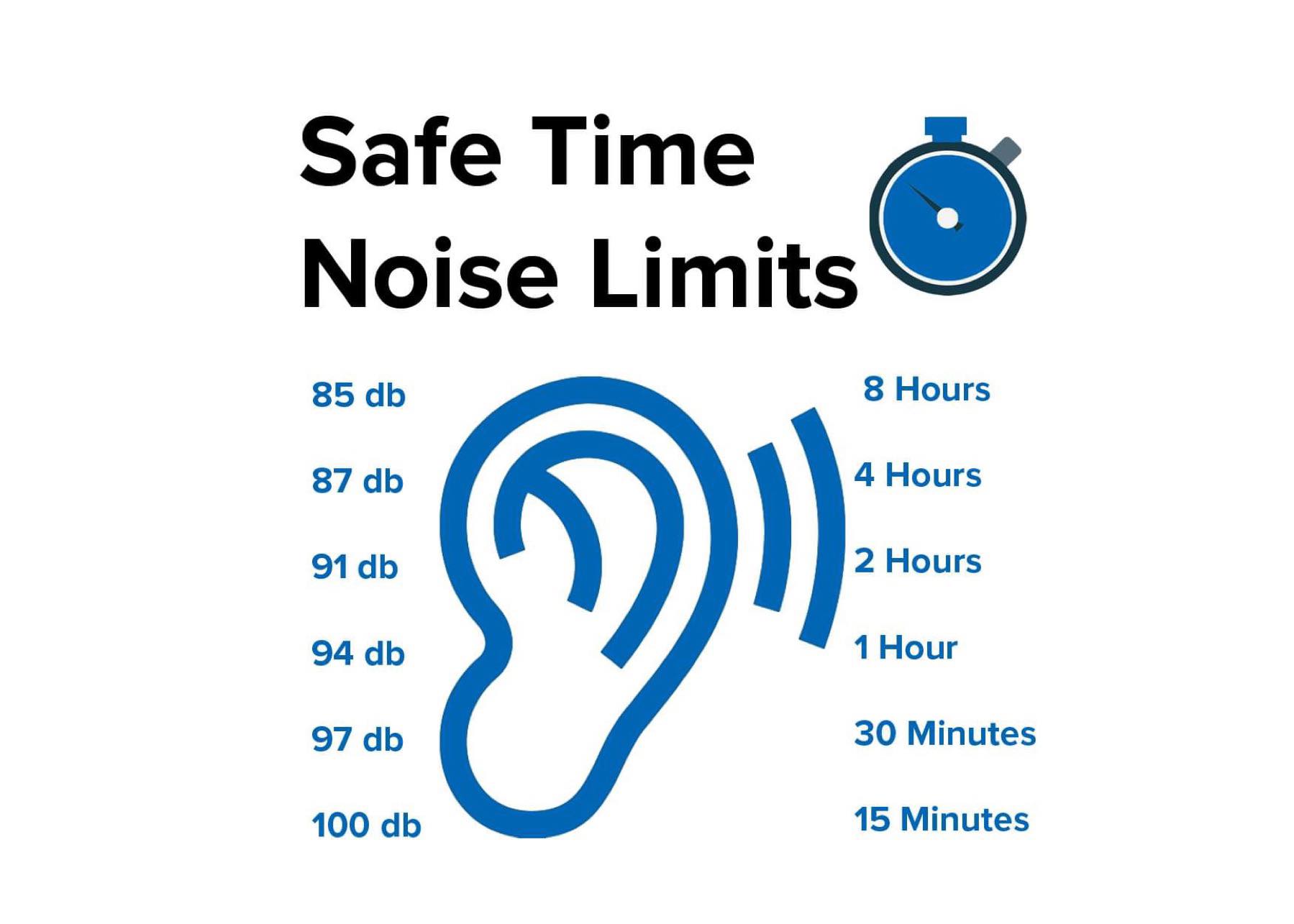
<p>Noise levels are measured using decibels (dB). Sounds below 75 dB are considered safe, even when heard for a prolonged period of time, the National Institute of Health explains. Sounds above 85 dB are considered harmful and can cause NIHL. The louder the sound, the shorter amount of time it takes for hearing loss to occur. The American Speech Language and Hearing Association indicates that an average whisper measures around 30 dB whilst fireworks at about a metre away measure 150 dB.</p>
<p><strong>10. Hairdresser</strong></p>
<p>Becoming a hairdresser is a popular career choice around the world but most wouldn&#8217;t think that fixing other people&#8217;s bad hair days could lead to hearing loss. Unfortunately, the noise from a number of hairdryers being used at the same time often reaches 85 dB which, while is on the lower end of the scale, can still contribute to gradual hearing loss over time. <a href="http://www.vineyhearingcare.co.uk/2013/07/30/noise-induced-hearing-loss-in-hair-dressing-salons/" target="_blank" rel="no-follow"><br />
</a></p>
<p><strong>9. Nursery school teacher</strong></p>
<p>Teaching young children may not only cause you to lose your patience &#8211; your hearing could also take a knock. With all the temper tantrums, screaming, crying, shouting and singing that comes along with a class of toddlers, it&#8217;s easy to understand how noise levels can easily reach 85 dB. Teachers should aim to break up their day, alternating between quiet time activities such as art, drawing and story time with more noisy activities such as music and outdoor play.</p>
<p><strong>8. Motorcycle courier or delivery person</strong></p>
<p>If you deliver pizzas or parcels via motorbike, your ears could be in trouble. Motorbikes are known for their noisiness and together with the &#8220;wind noise&#8221; factor they can produce an ear-ringing 103 decibels of sound. If you ride a bike, be sure that you&#8217;re wearing a helmet that covers your entire head as these offer better protection than the skullcap type.</p>
<p><strong>7. Gardener</strong></p>
<p>If you&#8217;re a gardener, you could be at risk of hearing loss. While trimming your lawns and producing that lovely fresh-cut grass smell, weed eaters and lawn mowers can also generate up to 107 dB of noise, if you employ a gardener or garden yourself, look at getting them a set of protective ear plugs.</p>
<p><strong>6. Musician, DJ, sound crew or nightclub staff</strong></p>
<p>It is well known that loud music is one of the most common causes of hearing loss. For most bartenders, doormen, DJ&#8217;s and other nightclub staff the noise level is usually above 115 dB with music continuously blaring into the early hours of the morning. This prolonged exposure can cause serious damage to their hearing yet it is uncommon for staff to wear any form of ear protection. Phil Collins and Chris Martin from Coldplay are amongst a number of high-profile musicians that have suffered significant damage to their hearing as a result of their successful careers in the music industry.</p>
<p><strong>5. Carpenter</strong></p>
<p>For carpenters, whose work involves building things such as furniture out of wood, a level of noise from electric saws and other machinery is an unavoidable part of the job, the noise from a rotary hammer (also known as hammer drills) alone can measure up to 120 dB.</p>
<p><strong>4. Builder</strong></p>
<p>Like carpentry, construction is another very noisy industry. Drills, jack hammers and compactors can be heard from quite a distance away so imagine how loud the noise can be when you&#8217;re actually operating the machinery, seeing as a jack hammer measures on the higher end of the decibel scale at a whopping 130 dB.</p>
<p><strong>3. Miner</strong></p>
<p>Any job that involves the use of power tools or machinery is going to also involve a significant level of noise, and mining is no exception. The Centres for Disease Control and Prevention explains that a study conducted in the U.S found that 40% of staff working in coal mines were exposed to noises above 90 dB on a regular basis. Noise levels can actually get as high as 135 dB.  In South Africa, where mining is a substantial industry, efforts are being made to reduce the amount of noise miners are exposed to. The Department of Mineral Resources has set the noise exposure limit for mine workers at 85 dB as part of their hearing conservation programme.</p>
<p><strong>2. Formula One driver</strong></p>
<p>Even watching Formula One races on television can be live so actually sitting in the cockpit of the car can be, quite literally, deafening! Luckily, Lewis Hamilton, Nico Rosberg, Sebastian Vettel and other drivers are equipped with top of the range protective gear to protect them from sounds that can reach up to 135 dB &#8211; the same as underground mining.</p>
<p><strong>1. Airport ground control staff</strong></p>
<p>Being an air traffic controller has the potential to be the absolute worst job for your ears. If you&#8217;re part of the team working on the ground at the airport, you&#8217;re definitely at a high risk of noise-induced hearing loss. The noises from planes landing and taking off can measure up to a whopping 140 dB.</p>
<p>If you’re concerned about <a href="https://www.hiddenhearing.ie/hearing-loss">hearing loss</a>, contact <a href="http://www.hiddenhearing.ie/" class="broken_link">Hidden Hearing</a> at 1800 818 808 to schedule a free hearing test or to discuss your hearing healthcare concerns at any of <a href="http://www.hiddenhearing.ie/contact-us/find-your-local-clinic">our 65 clinics nationwide</a>.</p>
<p><em>Source: <a href="http://www.health24.com/Medical/Hearing-management/Noise/The-10-worst-jobs-for-your-ears-20150821">www.health24.com</a></em></p>
<p>The post <a rel="nofollow" href="https://www.hiddenhearing.ie/blog/the-10-worst-jobs-for-your-ears/">The 10 worst jobs for your ears</a> appeared first on <a rel="nofollow" href="https://www.hiddenhearing.ie/blog">The Hidden Hearing Blog</a>.</p>
]]></content:encoded>
			<wfw:commentRss>https://www.hiddenhearing.ie/blog/the-10-worst-jobs-for-your-ears/feed/</wfw:commentRss>
		<slash:comments>0</slash:comments>
		</item>
		<item>
		<title>How much is too much headphone use?</title>
		<link>https://www.hiddenhearing.ie/blog/how-much-is-too-much-headphone-use/</link>
		<comments>https://www.hiddenhearing.ie/blog/how-much-is-too-much-headphone-use/#comments</comments>
		<pubDate>Wed, 24 Jun 2015 10:10:20 +0000</pubDate>
		<dc:creator><![CDATA[Hidden Hearing]]></dc:creator>
				<category><![CDATA[Uncategorized]]></category>
		<category><![CDATA[Free Hearing Test]]></category>
		<category><![CDATA[Headpones]]></category>
		<category><![CDATA[hearing damage]]></category>
		<category><![CDATA[Hearing loss]]></category>
		<category><![CDATA[hidden hearing]]></category>
		<category><![CDATA[loud music]]></category>
		<category><![CDATA[Loud no]]></category>
		<category><![CDATA[permanent hearing loss]]></category>
		<category><![CDATA[protect your hearing]]></category>

		<guid isPermaLink="false">http://www.hiddenhearing.ie/blog/?p=26073</guid>
		<description><![CDATA[<p>Is more headphone use leading to hearing loss? Many of us use earphones throughout the day to drown out noise in our commutes and at work. But is it prematurely damaging our hearing?  Hearing loss is often not a dramatic event, but something that increases over time. </br><a class="read-more" href="https://www.hiddenhearing.ie/blog/how-much-is-too-much-headphone-use/">More....</a></p>
<p>The post <a rel="nofollow" href="https://www.hiddenhearing.ie/blog/how-much-is-too-much-headphone-use/">How much is too much headphone use?</a> appeared first on <a rel="nofollow" href="https://www.hiddenhearing.ie/blog">The Hidden Hearing Blog</a>.</p>
]]></description>
				<content:encoded><![CDATA[<p><strong>Is more headphone use leading to hearing loss?</strong></p>
<p>Many of us use earphones throughout the day to drown out noise in our commutes and at work. But is it prematurely damaging our hearing?  Hearing loss is often not a dramatic event, but something that increases over time. Some experts believe it’s some very modern behavior –<strong> such as our increasing use of earphones to listen to music and movies</strong> – that may help prematurely age our hearing. And it’s an issue that may be affecting younger adults much more than before.<img class=" size-medium wp-image-28989 alignright" src="https://www.hiddenhearing.ie/components/com_wordpress/wp/wp-content/uploads/2015/06/29.-Audiology-Headphones-1024x6821-300x200.jpg" alt="29.-Audiology-Headphones-1024x682" width="300" height="200" /></p>
<p><b>Why should I be concerned about my hearing?</b></p>
<p>Clinical audiologist Jill Gruenwald of Vanderbilt University&#8217;s Medical Center in Nashville, Tennessee says “We’re around a lot of recreational noise, personal listeners, concerts, bars, movie theatres, there is a lot of noise out there that we can be exposed to on a daily basis.” Gruenwald, who gives hearing loss awareness talks explains that overexposure to loud noise for extended periods of time can increase the risk for anyone, no matter what age, to experience Noise Induced Hearing Loss (NIHL).</p>
<p><b><a href="http://www.hiddenhearing.ie/components/com_wordpress/wp/wp-content/uploads/2015/06/AR-130729976.jpg"><img class="aligncenter size-full wp-image-26077" src="http://www.hiddenhearing.ie/components/com_wordpress/wp/wp-content/uploads/2015/06/AR-130729976.jpg" alt="AR-130729976" width="476" height="180" /></a></b></p>
<p>&nbsp;</p>
<p><b>What noises could put me at risk during leisure activities?</b></p>
<p>Headphones on music players can reach sound levels as high as 120 decibels, a very loud club or a loud concert could be 105dB. While driving, loud car stereo volumes could reach up to 120dB. According to a study from the University of Leicester, extremely dangerous as noises that exceed 110dB can “strip away myelin sheath from the nerve cells, which hinders the delivery of electrical signals from the ears to the brain.” If you damage your ear in this way, it’s permanent and cannot be reversed.</p>
<p>Many people experience “temporary threshold shifts,”  where hearing is muffled for a few days after a loud concert or clubbing, but then returns. A chemical process your ear does to protect itself, sound appears to lose resolution as the tiny hairs within your inner ear become fatigued. To recover, go to a quiet place until your hearing regains sensitivity and avoid causing more temporary threshold shifts in the future.</p>
<p><b>How can I stop hearing loss from getting worse?</b></p>
<p>Jim Fulham, an Audiologist with <a href="http://www.hiddenhearing.ie/contact-us/find-your-local-clinic">Hidden Hearing Dundalk </a>says, &#8220;Considering that the majority of people will have the sound level too high on their earphones, it might be ten years before these 18 to 24 year olds discover the irreparable damage that has been done. Beware of public transport this can also do the damage. Most people listen to their personal listening devices on public transport, or in noisy places, so they&#8217;ll tend to turn them up even louder to drown out the surrounding noise. Don&#8217;t be tempted! Noise-induced hearing loss is cumulative; it happens gradually over time so a young person listening to loud music will not know that they are doing damage. It&#8217;s key that volume is kept relatively low ensuring they can still hear the sounds outside when wearing their earphones&#8221;.</p>
<p>Mr Fulham went on to say &#8220;We recently had one girl in to be tested and although she was just 25, she had the hearing of an 85 year old lady she had no idea what damage she had done to her hearing&#8221;</p>
<p>If you are concerned about any aspect of your hearing healthcare, you can<span style="color: #3366ff;"> <a style="color: #3366ff;" href="https://www.hiddenhearing.ie/contact-us/free-hearing-test" target="_blank">make an appointment</a></span> to have a hearing evaluation conducted free of charge at <span style="color: #3366ff;"><a style="color: #3366ff;" href="https://www.hiddenhearing.ie/contact-us/find-your-local-clinic" target="_blank">any of the 75 Hidden Hearing branches nationwide.</a></span> To book call 1800 818 808 or visit <span style="color: #3366ff;"><a style="color: #3366ff;" href="http://hiddenhearing.ie/">www.hiddenhearing.ie </a></span></p>
<p>&nbsp;</p>
<p>&nbsp;</p>
<p>The post <a rel="nofollow" href="https://www.hiddenhearing.ie/blog/how-much-is-too-much-headphone-use/">How much is too much headphone use?</a> appeared first on <a rel="nofollow" href="https://www.hiddenhearing.ie/blog">The Hidden Hearing Blog</a>.</p>
]]></content:encoded>
			<wfw:commentRss>https://www.hiddenhearing.ie/blog/how-much-is-too-much-headphone-use/feed/</wfw:commentRss>
		<slash:comments>0</slash:comments>
		</item>
		<item>
		<title>Apple Music Responds : &#8216;We hear you Taylor Swift!&#8217;</title>
		<link>https://www.hiddenhearing.ie/blog/apple-music-responds-we-hear-you-taylor-swift/</link>
		<comments>https://www.hiddenhearing.ie/blog/apple-music-responds-we-hear-you-taylor-swift/#comments</comments>
		<pubDate>Mon, 22 Jun 2015 09:20:08 +0000</pubDate>
		<dc:creator><![CDATA[Hidden Hearing]]></dc:creator>
				<category><![CDATA[Uncategorized]]></category>
		<category><![CDATA[1989]]></category>
		<category><![CDATA[Apple Music]]></category>
		<category><![CDATA[Free Music]]></category>
		<category><![CDATA[hearing damage]]></category>
		<category><![CDATA[Hearing loss]]></category>
		<category><![CDATA[hearing protection]]></category>
		<category><![CDATA[iPhones]]></category>
		<category><![CDATA[loud music]]></category>
		<category><![CDATA[music]]></category>
		<category><![CDATA[Spotify]]></category>
		<category><![CDATA[Taylor Swift]]></category>

		<guid isPermaLink="false">http://www.hiddenhearing.ie/blog/?p=26055</guid>
		<description><![CDATA[<p>Taylor Swift shakes off Apple in an open letter Taylor Swift has called out Apple in a widely circulated post that explained why her latest album, 1989, would not appear on Apple Music when it debuts on June 30. Following on from </br><a class="read-more" href="https://www.hiddenhearing.ie/blog/apple-music-responds-we-hear-you-taylor-swift/">More....</a></p>
<p>The post <a rel="nofollow" href="https://www.hiddenhearing.ie/blog/apple-music-responds-we-hear-you-taylor-swift/">Apple Music Responds : &#8216;We hear you Taylor Swift!&#8217;</a> appeared first on <a rel="nofollow" href="https://www.hiddenhearing.ie/blog">The Hidden Hearing Blog</a>.</p>
]]></description>
				<content:encoded><![CDATA[<p style="text-align: center;"><a href="http://www.hiddenhearing.ie"><img class="aligncenter size-full wp-image-26056" src="http://www.hiddenhearing.ie/components/com_wordpress/wp/wp-content/uploads/2015/06/Taylor-Swift.jpg" alt="Taylor Swift" width="600" height="360" /></a></p>
<h3 style="text-align: center;">Taylor Swift shakes off Apple in an open letter</h3>
<p>Taylor Swift has called out Apple in a widely circulated post that explained why her latest album, <em>1989</em>, would not appear on Apple Music when it debuts on June 30. Following on from the open letter from  Swift, Apple Music has reversed its policy on paying artists during the free, three-month trial period. Swift explained why she came to that decision in a post <a href="http://taylorswift.tumblr.com/?ref_url=http://www.ew.com/article/2015/06/21/taylor-swift-apple-music">on her popular Tumblr page</a>.</p>
<p style="text-align: center;"><a href="https://twitter.com/taylorswift13"><img class="aligncenter size-full wp-image-26059" src="http://www.hiddenhearing.ie/components/com_wordpress/wp/wp-content/uploads/2015/06/Jackie.jpg" alt="Jackie" width="404" height="175" /></a></p>
<p>“I feel this deserves an explanation because Apple has been and will continue to be one of my best partners in selling music and creating ways for me to connect with my fans. I respect the company and the truly ingenious minds that have created a legacy based on innovation and pushing the right boundaries,” “We don’t ask you for free iPhones,” she wrote. “Please don’t ask us to provide you with our music for no compensation.”</p>
<p>Swift famously pulled her catalog, including <em>1989</em>, off Spotify last year. “I’m not willing to contribute my life’s work to an experiment that I don’t feel fairly compensates the writers, producers, artists, and creators of this music,”  In an interview last November she said “And I just don’t agree with perpetuating the perception that music has no value and should be free.”</p>
<h5>Facing the music &#8211; Without Destroying Your Hearing</h5>
<p>Last year research carried out by <a href="http://www.hiddenhearing.ie/your-hearing/protecting-your-hearing">Hidden Hearing</a> has shown that people who listen to loud music on earphones damage their hearing beyond repair. Results from the survey found that close to a quarter of under-25s were at serious risk of future deafness and/or hearing loss. Hidden Hearing discovered the average person listened to music at around 75 decibels. That is five decibels more than the noise from a vacuum cleaner and just 15 decibels less than a Boeing 737 jet coming in to land. Hidden Hearing&#8217;s Dr Nina Byrnes said: &#8220;A rest period for the ears is extremely important because it gives them time to recover and limits the potential for any long-term damage.&#8221;</p>
<p>Visit <a href="http://www.hiddenhearing.ie/your-hearing/protecting-your-hearing">hiddenhearing</a> for more details on how to protect against hearing loss. If you or any member of your family have any questions about hearing loss or hearing damage contact Hidden Hearing on Freephone 1800 818 808 .</p>
<p>&nbsp;</p>
<p>&nbsp;</p>
<p>The post <a rel="nofollow" href="https://www.hiddenhearing.ie/blog/apple-music-responds-we-hear-you-taylor-swift/">Apple Music Responds : &#8216;We hear you Taylor Swift!&#8217;</a> appeared first on <a rel="nofollow" href="https://www.hiddenhearing.ie/blog">The Hidden Hearing Blog</a>.</p>
]]></content:encoded>
			<wfw:commentRss>https://www.hiddenhearing.ie/blog/apple-music-responds-we-hear-you-taylor-swift/feed/</wfw:commentRss>
		<slash:comments>0</slash:comments>
		</item>
		<item>
		<title>Spotify to produce hearing loss public service announcements</title>
		<link>https://www.hiddenhearing.ie/blog/spotify-to-produce-hearing-loss-public-service-annoucements/</link>
		<comments>https://www.hiddenhearing.ie/blog/spotify-to-produce-hearing-loss-public-service-annoucements/#comments</comments>
		<pubDate>Wed, 20 May 2015 10:00:28 +0000</pubDate>
		<dc:creator><![CDATA[Hidden Hearing]]></dc:creator>
				<category><![CDATA[Uncategorized]]></category>
		<category><![CDATA[Earphones]]></category>
		<category><![CDATA[Hearing loss]]></category>
		<category><![CDATA[hearing test]]></category>
		<category><![CDATA[loud music]]></category>
		<category><![CDATA[Spotify]]></category>
		<category><![CDATA[World Health Organisation]]></category>

		<guid isPermaLink="false">http://www.hiddenhearing.ie/blog/?p=25912</guid>
		<description><![CDATA[<p>The World Health Organization warns that more than 1 billion young people are at risk of hearing loss because of personal audio devices and loud concerts. In fact hearing loss among teens today is about 30 percent higher than in </br><a class="read-more" href="https://www.hiddenhearing.ie/blog/spotify-to-produce-hearing-loss-public-service-annoucements/">More....</a></p>
<p>The post <a rel="nofollow" href="https://www.hiddenhearing.ie/blog/spotify-to-produce-hearing-loss-public-service-annoucements/">Spotify to produce hearing loss public service announcements</a> appeared first on <a rel="nofollow" href="https://www.hiddenhearing.ie/blog">The Hidden Hearing Blog</a>.</p>
]]></description>
				<content:encoded><![CDATA[<p style="text-align: center;"><a href="http://www.hiddenhearing.ie"><img class="aligncenter  wp-image-25914" src="http://www.hiddenhearing.ie/components/com_wordpress/wp/wp-content/uploads/2015/05/guida-spotify-softonic-copy-664x374.jpg" alt="guida-spotify-softonic-copy-664x374" width="664" height="374" /></a></p>
<p>The World Health Organization warns that more than 1 billion young people are at risk of <a href="http://www.hiddenhearing.ie/your-hearing/hearing-loss">hearing loss </a>because of personal audio devices and loud concerts. In fact hearing loss among teens today is about 30 percent higher than in the 1980’s and 1990’s.</p>
<p>Hidden Hearing experts say the best way to protect young ears is to apply the “60/60″ rule: Keep the volume under 60 percent and only listen for a maximum of 60 minutes a day.</p>
<p>On foot of these worrying numbers experts are now collaborating with commercial music streaming giant Spotify to produce new public service announcements about understanding and preventing hearing loss. They recently came together for a forum titled “Just the Right Volume: An Essential Conversation About Hearing.”</p>
<p>Kerry Steib, Spotify’s director of social impact, was at the forum and acknowledged the streaming site reaches a lot of ears.</p>
<p><a href="http://www.hiddenhearing.ie/components/com_wordpress/wp/wp-content/uploads/2015/05/holding-headphones-listening-to-music-1.jpg"><img class="alignleft size-thumbnail wp-image-25919" src="http://www.hiddenhearing.ie/components/com_wordpress/wp/wp-content/uploads/2015/05/holding-headphones-listening-to-music-1-150x150.jpg" alt="holding-headphones-listening-to-music-1" width="150" height="150" /></a>“On Spotify there’s 60 million people listening to music — most of them probably through their headphones,” Steib says. And she acknowledges the potentially harmful role Spotify plays in the hearing loss equation.</p>
<p>“But I think really that means there are more opportunities for us to do work like this — to actually be on the forefront of creating these messages and distributing them,” she says.</p>
<p>Non-paying Spotify listeners in the U.S. will start hearing the new PSAs as they’re are rolled out this week. But the millions of subscribers who bypass ads will only hear music — hopefully at the right volume.</p>
<p>It is important to get your <a href="https://www.hiddenhearing.ie/free-hearing-test">hearing tested</a> if you have any concerns. Hidden Hearing provide free hearing consultation and expert advice for all patients. If you have any questions about hearing loss, contact Hidden Hearing on Freephone 1800 370 000 or <a href="https://www.hiddenhearing.ie/contact-us">Contact Us</a> via email or contact form.</p>
<p>&nbsp;</p>
<p>&nbsp;</p>
<p>&nbsp;</p>
<p>The post <a rel="nofollow" href="https://www.hiddenhearing.ie/blog/spotify-to-produce-hearing-loss-public-service-annoucements/">Spotify to produce hearing loss public service announcements</a> appeared first on <a rel="nofollow" href="https://www.hiddenhearing.ie/blog">The Hidden Hearing Blog</a>.</p>
]]></content:encoded>
			<wfw:commentRss>https://www.hiddenhearing.ie/blog/spotify-to-produce-hearing-loss-public-service-annoucements/feed/</wfw:commentRss>
		<slash:comments>0</slash:comments>
		</item>
		<item>
		<title>How loud is too loud? How long is too long?</title>
		<link>https://www.hiddenhearing.ie/blog/how-loud-is-too-loud-how-long-is-too-long-2/</link>
		<comments>https://www.hiddenhearing.ie/blog/how-loud-is-too-loud-how-long-is-too-long-2/#comments</comments>
		<pubDate>Thu, 26 Mar 2015 14:47:41 +0000</pubDate>
		<dc:creator><![CDATA[Hidden Hearing]]></dc:creator>
				<category><![CDATA[Free Hearing Test]]></category>
		<category><![CDATA[Hearing loss]]></category>
		<category><![CDATA[loud music]]></category>
		<category><![CDATA[noise induced hearing loss]]></category>
		<category><![CDATA[noise levels]]></category>
		<category><![CDATA[Tinnitus]]></category>

		<guid isPermaLink="false">http://www.hiddenhearing.ie/blog/?p=25770</guid>
		<description><![CDATA[<p>Check out our Noise Thermometer It is well established that long-term exposure to loud noise can damage hearing, sometimes irreparably, but few people understand how to assess loud noise. And although sound meters are now available on most smartphones (See </br><a class="read-more" href="https://www.hiddenhearing.ie/blog/how-loud-is-too-loud-how-long-is-too-long-2/">More....</a></p>
<p>The post <a rel="nofollow" href="https://www.hiddenhearing.ie/blog/how-loud-is-too-loud-how-long-is-too-long-2/">How loud is too loud? How long is too long?</a> appeared first on <a rel="nofollow" href="https://www.hiddenhearing.ie/blog">The Hidden Hearing Blog</a>.</p>
]]></description>
				<content:encoded><![CDATA[<h4>Check out our Noise Thermometer</h4>
<p>It is well established that long-term exposure to loud noise can damage hearing, sometimes irreparably, but few people understand how to assess loud noise. And although sound meters are now available on most smartphones (See Hidden Hearing’s Tinnitus App), not everyone is in the habit of using them.</p>
<p>Many people unintentionally damage their hearing by listening to music through headphones for long periods. To give an idea how sound is measured and when sound becomes dangerous, we have developed an infographic that explains what is considered loud and after what duration it can cause hearing loss or <a href="http://www.hiddenhearing.ie/your-hearing/tinnitus">Tinnitus.</a></p>
<p><a href="http://www.hiddenhearing.ie/components/com_wordpress/wp/wp-content/uploads/2015/03/HH-Noise-Thermometer.jpg"><img class="alignnone size-medium wp-image-25774" src="http://www.hiddenhearing.ie/components/com_wordpress/wp/wp-content/uploads/2015/03/HH-Noise-Thermometer-211x300.jpg" alt="HH-Noise-Thermometer" width="211" height="300" /></a></p>
<p><a href="http://www.hiddenhearing.ie/components/com_wordpress/wp/wp-content/uploads/2015/03/HH-Noise-Thermometer.jpg">CLICK TO ENLARGE</a></p>
<p>It is important to get your hearing tested if you have any concerns. Hidden Hearing provides professional hearing evaluation and hearing aids for all patients. If you have any questions about hearing loss contact Hidden Hearing on <span style="color: #d20032;">Freephone 1800 370 000.</span> For a free hearing test or free consultation you can request online, <a href="https://www.hiddenhearing.ie/free-hearing-test">just click here for a FREE TEST.</a></p>
<p>The post <a rel="nofollow" href="https://www.hiddenhearing.ie/blog/how-loud-is-too-loud-how-long-is-too-long-2/">How loud is too loud? How long is too long?</a> appeared first on <a rel="nofollow" href="https://www.hiddenhearing.ie/blog">The Hidden Hearing Blog</a>.</p>
]]></content:encoded>
			<wfw:commentRss>https://www.hiddenhearing.ie/blog/how-loud-is-too-loud-how-long-is-too-long-2/feed/</wfw:commentRss>
		<slash:comments>0</slash:comments>
		</item>
		<item>
		<title>Festival-goers risk hearing damage</title>
		<link>https://www.hiddenhearing.ie/blog/festival-goers-risk-hearing-damage/</link>
		<comments>https://www.hiddenhearing.ie/blog/festival-goers-risk-hearing-damage/#comments</comments>
		<pubDate>Fri, 29 Aug 2014 11:24:35 +0000</pubDate>
		<dc:creator><![CDATA[Hidden Hearing]]></dc:creator>
				<category><![CDATA[Uncategorized]]></category>
		<category><![CDATA[Bonnie Tyler]]></category>
		<category><![CDATA[Electric Picnic]]></category>
		<category><![CDATA[hearing aid]]></category>
		<category><![CDATA[Hearing loss]]></category>
		<category><![CDATA[hearing protection]]></category>
		<category><![CDATA[Lilly Allen]]></category>
		<category><![CDATA[loud music]]></category>
		<category><![CDATA[music festival]]></category>
		<category><![CDATA[Outkast]]></category>
		<category><![CDATA[Paolo Nutini]]></category>
		<category><![CDATA[Pet Shop Boys]]></category>
		<category><![CDATA[sound level]]></category>
		<category><![CDATA[Stradbally]]></category>

		<guid isPermaLink="false">http://www.hiddenhearing.ie/blog/?p=25065</guid>
		<description><![CDATA[<p>&#160; &#160; It&#8217;s that time of the year again! Several thousand music lovers are setting off for Stradbally this weekend for another Electric Picnic to see a very impressive line up including ‘Hey Ya!’ hit makers Outkast, power ballad queen Bonnie </br><a class="read-more" href="https://www.hiddenhearing.ie/blog/festival-goers-risk-hearing-damage/">More....</a></p>
<p>The post <a rel="nofollow" href="https://www.hiddenhearing.ie/blog/festival-goers-risk-hearing-damage/">Festival-goers risk hearing damage</a> appeared first on <a rel="nofollow" href="https://www.hiddenhearing.ie/blog">The Hidden Hearing Blog</a>.</p>
]]></description>
				<content:encoded><![CDATA[<p>&nbsp;</p>
<p><a href="http://www.hiddenharing.ie"><img class="aligncenter size-full wp-image-25066" alt="picnicD" src="http://www.hiddenhearing.ie/components/com_wordpress/wp/wp-content/uploads/2014/08/picnicD.jpg" width="619" height="372" /></a></p>
<p>&nbsp;</p>
<p>It&#8217;s that time of the year again! Several thousand music lovers are setting off for Stradbally this weekend for another Electric Picnic to see a very impressive line up including ‘Hey Ya!’ hit makers Outkast, power ballad queen Bonnie Tyler, Pet Shop Boys, Lilly Allen,  Paolo Nutini and Beck to name just a few.</p>
<p>According to Dr Nina Byrnes, medical advisor to Hidden Hearing, festivals are a real cause for concern because the music can reach decibel levels of 130dB, which is far in excess of the recommended safe threshold level of 85dB. She recommends that  attending music festivals, including this weekend&#8217;s Electric Picnic festival, <a href="http://www.hiddenhearing.ie/your-hearing/protecting-your-hearing">should wear ear plugs to protect their hearing from permanent damage. </a></p>
<p>Dr. Byrnes insisted that the majority of festival and concert-goers do not understand the damage they could be doing to their hearing and emphasized that irreversible hearing loss can occur when listening to loud music, especially if a person is exposed to it over an entire day or weekend.</p>
<p>&#8220;Outdoor festival and concert sound levels can reach up to 130 db and beyond, the equivalent noise exposure of a jet plane taking off or a pneumatic drill. Noise higher than 85 db can cause serious damage to your hearing and it may take only 15 minutes of exposure to inflict permanent noise induced hearing loss,&#8221; she explained.</p>
<p>She added that in the last number of years, Hidden Hearing has seen an increasing number of cases of people in their late teens and early 20s with <a href="http://www.hiddenhearing.ie/your-hearing/how-can-you-tell">hearing loss issues</a> because they were exposed to music that was too loud.</p>
<p>In fact, the risk of noise induced hearing loss for festival-goers was highlighted in a survey carried out by RED C on behalf of Hidden Hearing, which found that 35% of people attending concerts experienced ringing in their ears or dull hearing.</p>
<p>&#8220;My advice to festival-goers is to take responsibility for their hearing and to wear hearing protection such as ear plugs, or at the very least take regular breaks from the noise and stay away from the speakers. Good quality ear plugs won&#8217;t affect the quality of the music, but they will help<a href="http://www.hiddenhearing.ie/your-hearing/protecting-your-hearing"> safeguard your hearing</a> so you can go on enjoying music for years to come,&#8221; Dr Byrnes said.</p>
<p>Anybody who might be concerned about their hearing, can avail of<a id="mfa148" href="https://www.hiddenhearing.ie/free-hearing-test"> a free hearing tes</a>t<i id="mf408"> at any of <a id="mfa149" href="http://www.hiddenhearing.ie/contact-us/find-your-local-clinic">Hidden Hearing’s 60 clinics nationwide. </a>Freephone 1800 370 000 or visit <a id="mfa150" href="http://hiddenhearingblog.com/www.hiddenhearing.ie">www.hiddenhearing.ie.</a></i></p>
<p>&nbsp;</p>
<p>The post <a rel="nofollow" href="https://www.hiddenhearing.ie/blog/festival-goers-risk-hearing-damage/">Festival-goers risk hearing damage</a> appeared first on <a rel="nofollow" href="https://www.hiddenhearing.ie/blog">The Hidden Hearing Blog</a>.</p>
]]></content:encoded>
			<wfw:commentRss>https://www.hiddenhearing.ie/blog/festival-goers-risk-hearing-damage/feed/</wfw:commentRss>
		<slash:comments>0</slash:comments>
		</item>
		<item>
		<title>Study reveals how loud noises can damage hearing</title>
		<link>https://www.hiddenhearing.ie/blog/study-reveals-how-loud-noises-can-damage-hearing/</link>
		<comments>https://www.hiddenhearing.ie/blog/study-reveals-how-loud-noises-can-damage-hearing/#comments</comments>
		<pubDate>Mon, 25 Aug 2014 16:27:22 +0000</pubDate>
		<dc:creator><![CDATA[Hidden Hearing]]></dc:creator>
				<category><![CDATA[Uncategorized]]></category>
		<category><![CDATA[Free Hearing Test]]></category>
		<category><![CDATA[hearing damage]]></category>
		<category><![CDATA[Hearing loss]]></category>
		<category><![CDATA[loud music]]></category>
		<category><![CDATA[loud noise]]></category>

		<guid isPermaLink="false">http://www.hiddenhearing.ie/blog/?p=25046</guid>
		<description><![CDATA[<p>Click on the image above to hear Dr. Nina Byrnes discuss listening to loud music and the 60/60 Rule It is common knowledge that loud sounds can damage our hearing. Now, a new study by researchers from the University of </br><a class="read-more" href="https://www.hiddenhearing.ie/blog/study-reveals-how-loud-noises-can-damage-hearing/">More....</a></p>
<p>The post <a rel="nofollow" href="https://www.hiddenhearing.ie/blog/study-reveals-how-loud-noises-can-damage-hearing/">Study reveals how loud noises can damage hearing</a> appeared first on <a rel="nofollow" href="https://www.hiddenhearing.ie/blog">The Hidden Hearing Blog</a>.</p>
]]></description>
				<content:encoded><![CDATA[<p style="text-align: center;"><a href="http://youtu.be/JEnIZqD4rEo"><img class="aligncenter size-full wp-image-25047" alt="YouTube" src="http://www.hiddenhearing.ie/components/com_wordpress/wp/wp-content/uploads/2014/08/YouTube.jpg" width="800" height="488" /></a></p>
<p style="text-align: center;"><a href="http://youtu.be/JEnIZqD4rEo">Click on the image above to hear Dr. Nina Byrnes discuss listening to loud music and the 60/60 Rule</a></p>
<p>It is common knowledge that loud sounds can <a href="http://www.hiddenhearing.ie/your-hearing/protecting-your-hearing">damage our hearing</a>. Now, a new study by researchers from the University of Leicester in the UK sheds new light on how this happens, paving the way for new prevention and treatment strategies for hearing loss and tinnitus.</p>
<p>The research team, including Dr. Martine Hamann, a lecturer in neurosciences at the University of Leicester, notes that many individuals listen to loud music without realizing it can affect their hearing later in life.  &#8220;People who suffer from <a href="http://www.hiddenhearing.ie/your-hearing/hearing-loss">hearing loss</a> have difficulties in understanding speech, particularly when the environment is noisy and when other people are talking nearby,&#8221; says Dr. Hamann.</p>
<p>She notes that understanding speech is dependent on fast transmission of auditory signals through the auditory nerve &#8211; the nerve that transports sound waves from the cochlea of the inner ear to the brain. But previous research has shown that after exposure to loud sounds, transmission of these auditory signals slows down, leading to hearing loss.</p>
<p>Dr. Hamann says it is important to determine the mechanisms behind this. &#8220;Understanding these underlying phenomena means that it could be possible to find medicines to improve auditory perception, specifically in noisy backgrounds,&#8221; she adds.</p>
<p>Past studies have shown that loud noises can narrow the myelin coat that protects the auditory nerve. Furthermore, loud sounds have been shown to elongate myelin sheath gaps, more commonly known as nodes of Ranvier, which auditory signals jump between in order to process sound.</p>
<p>But Dr. Hamann says that these findings pose a question: is reduced auditory signaling following exposure to loud sounds a result of the thinning of the myelin coat or the elongation of nodes?</p>
<p>For their study, recently published in the journal <em>Frontiers in Neuroanatomy</em>, the researchers used computational modeling to simulate thinning of the myelin coat around the auditory nerve and lengthening of nodes. They then assessed how each of these changes affected auditory signaling through the auditory nerve.</p>
<p><strong>The team found that hearing loss as a result of exposure to loud noises is primarily caused by the thinning of the protective myelin coat surrounding the auditory nerve, while changes to the nodes only have a small effect on hearing loss.</strong></p>
<p>The team says their findings may help uncover prevention strategies for hearing loss and <a href="http://www.hiddenhearing.ie/your-hearing/tinnitus">tinnitus </a>(ringing in the ears) and could even lead to cures for the conditions. They now plan to test drugs that trigger myelin repair to see if they can restore hearing following hearing loss.</p>
<p>If you are concerned about any aspect of your hearing healthcare, you can <a href="https://www.hiddenhearing.ie/contact-us/free-hearing-test">make an appointment</a> to have a hearing evaluation conducted <strong>free of charge</strong> at <a href="https://www.hiddenhearing.ie/contact-us/find-your-local-clinic">any of the 65 Hidden Hearing branches nationwide.</a> To book call 1800 370 000 or visit <a href="http://hiddenhearing.ie/">www.hiddenhearing.ie </a></p>
<p>The post <a rel="nofollow" href="https://www.hiddenhearing.ie/blog/study-reveals-how-loud-noises-can-damage-hearing/">Study reveals how loud noises can damage hearing</a> appeared first on <a rel="nofollow" href="https://www.hiddenhearing.ie/blog">The Hidden Hearing Blog</a>.</p>
]]></content:encoded>
			<wfw:commentRss>https://www.hiddenhearing.ie/blog/study-reveals-how-loud-noises-can-damage-hearing/feed/</wfw:commentRss>
		<slash:comments>0</slash:comments>
		</item>
	</channel>
</rss>